How to Tell if You Have Bed Bugs: 7 Signs Every Dallas Homeowner Should Know
If you’re a Dallas homeowner concerned about bites, mysterious stains, or unusual odors, you’re not alone. Bed bug infestations are becoming increasingly common, and knowing how to tell if you have bed bugs can save you from serious stress and costly extermination bills. These pests are small, elusive, and reproduce quickly, so spotting the problem early is key. In this comprehensive blog, we’ll cover 7 unmistakable signs, how to find evidence of bed bugs, and when to seek professional help. We’ll also address the early signs of bed bugs, and share how to identify bed bug infestation signs before it’s too late.
1. Red, Itchy Bites in Patterns
One of the first and most common clues in how to tell if you have bed bugs is the presence of red, itchy bites. These bites often appear in clusters, straight lines, or zig-zag patterns. While other insects can bite, bed bug bites are typically found on exposed skin areas such as the face, neck, arms, and legs.
This is one of the early signs of bed bugs that people tend to notice first. However, it’s easy to mistake these bites for mosquitoes or fleas, which is why it’s important to combine this symptom with other bed bug signs to confirm the infestation.
2. Blood Stains on Your Bedding
Tiny rust-colored stains on your sheets or pillowcases are another giveaway. These could be from crushed bed bugs or from bites bleeding slightly while you sleep. As you learn how to tell if you have bed bugs, remember that these blood stains are typically found where you rest your head or body.
Such stains can serve as solid evidence of bed bugs and are frequently overlooked by homeowners. Regular inspection of your bedding is essential to catch these early signs of bed bugs before they spread further.
3. Dark, Rusty Spots: Bed Bug Excrement
Another essential part of how to tell if you have bed bugs is recognizing their droppings. Bed bug feces appear as small dark or rusty spots and are typically found on mattresses, bedding, and nearby furniture. These stains may bleed onto the fabric like a marker would.
If you spot this type of staining, you’re likely looking at bed bug infestation signs. These droppings not only confirm their presence but also show where they’re nesting and feeding—clear evidence of bed bugs.
4. Musty Odor in Your Bedroom
As infestations grow, they produce a musty, sweet odor that’s hard to miss. Learning how to tell if you have bed bugs also means using your nose. A strange smell in your bedroom without a clear source may point to a bed bug problem.
This scent is one of the least-known early signs of bed bugs, but experienced exterminators immediately recognize it. It is caused by the release of bed bug pheromones and is often strongest where the bed bug signs are most concentrated.
5. Tiny White Eggs and Eggshells
Eggs are a critical form of evidence of bed bugs. These eggs are tiny, white, and oval-shaped, usually no bigger than a pinhead. They’re often laid in tight cracks, mattress seams, and other hidden areas.
If you’re serious about discovering how to tell if you have bed bugs, searching for eggs and eggshells is a must. This step reveals both current and past infestations and confirms the bed bug infestation signs even if live bugs aren’t visible.
6. Bed Bug Shells and Skins
Bed bugs molt several times during their life cycle, leaving behind hollow shells. These exoskeletons are a strong indicator of an active infestation. They’re typically found near harborage areas like mattress seams, baseboards, or headboards.
When looking into how to tell if you have bed bugs, finding molted shells can offer compelling evidence of bed bugs. These leftovers also serve as one of the most reliable early signs of bed bugs that homeowners can detect on their own.
7. Live Bed Bugs in Seams or Furniture
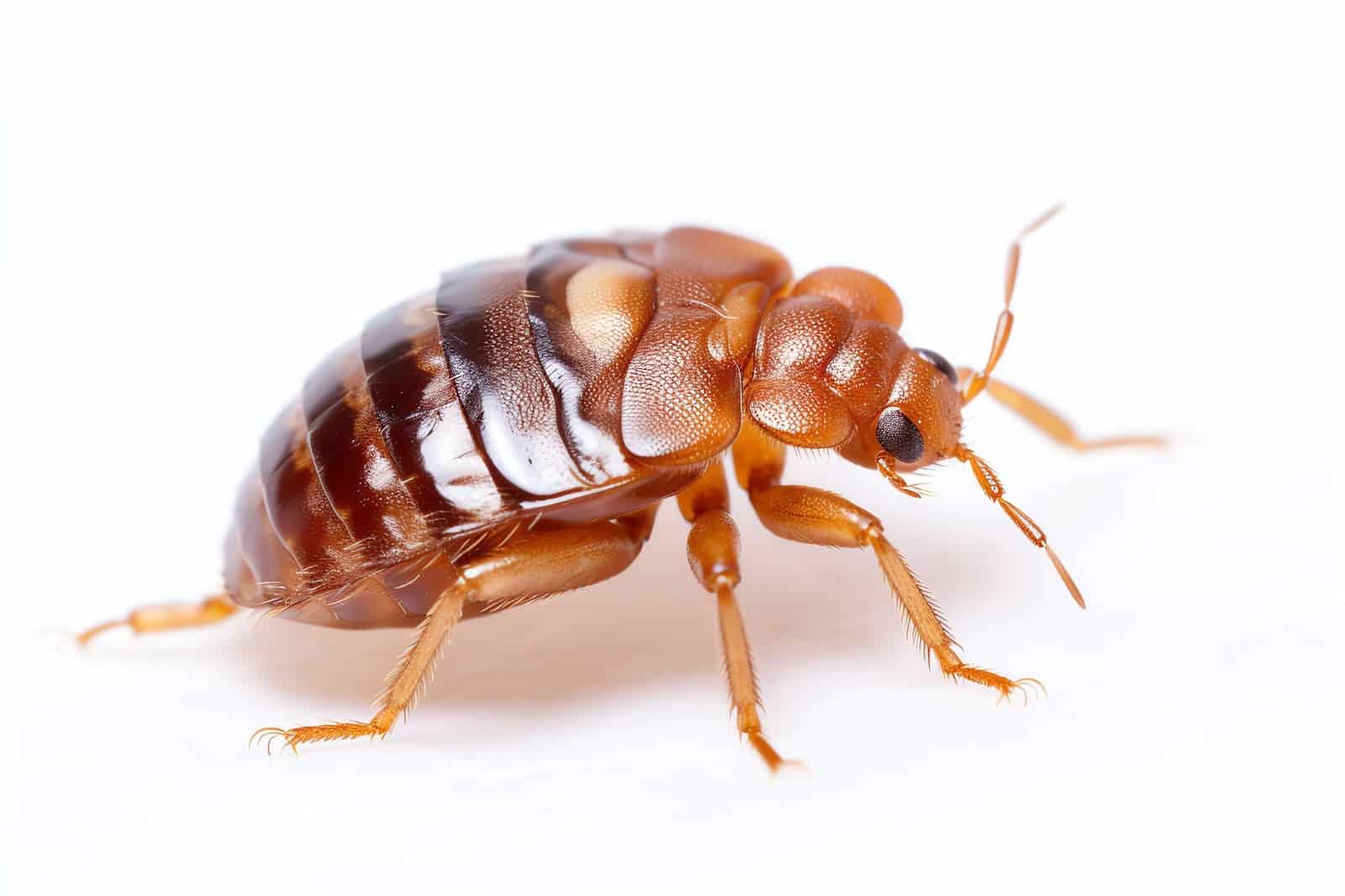
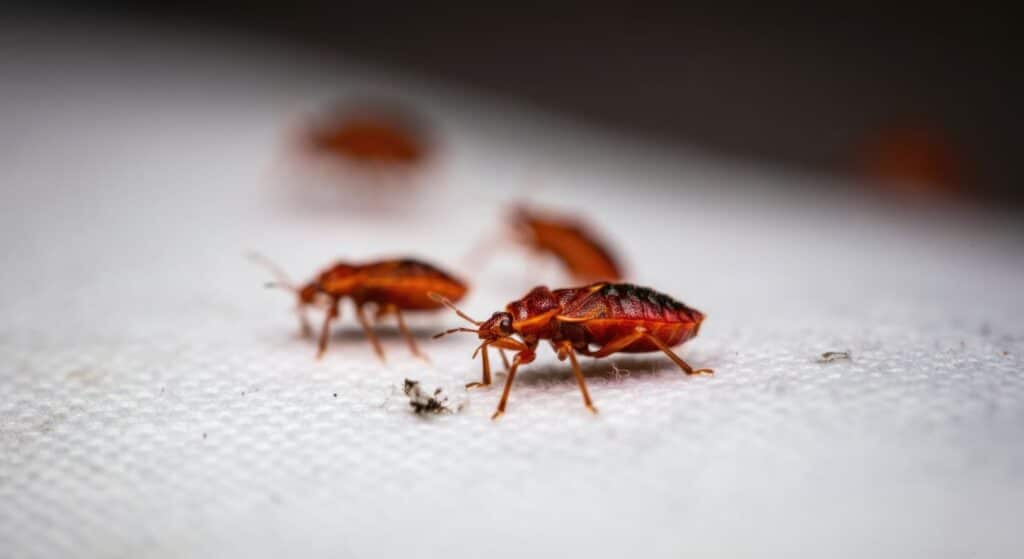
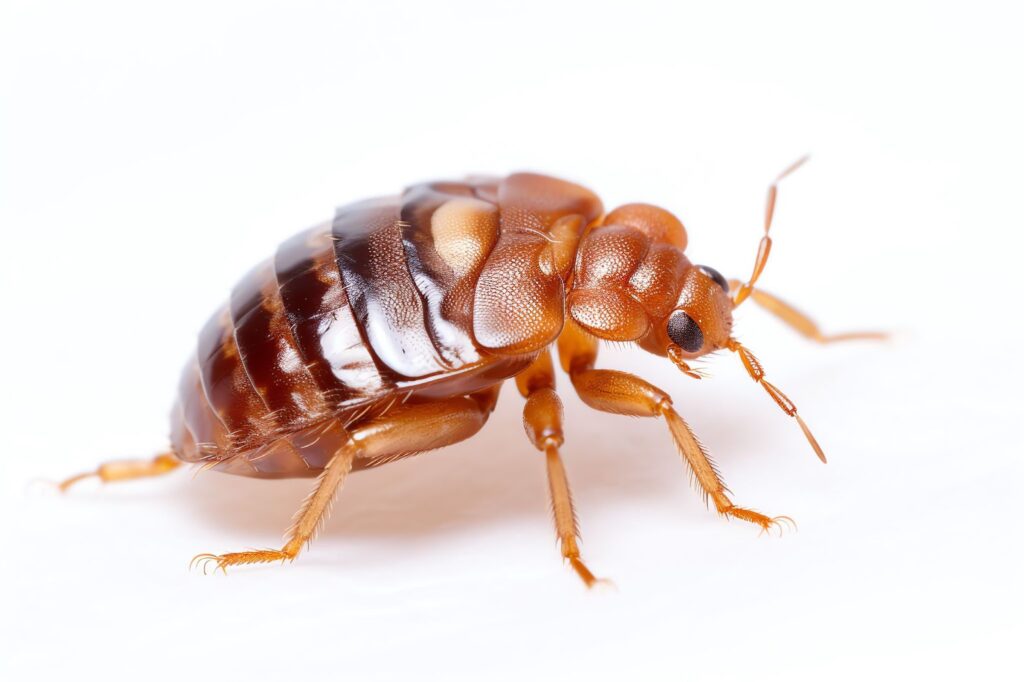
The clearest sign of all is seeing live bed bugs. These insects are flat, reddish-brown, and roughly the size of an apple seed. Inspect seams in mattresses, the corners of box springs, and inside couches and chairs.
When researching how to tell if you have bed bugs, spotting one live bug means there are likely many more hidden. Their presence is the most direct form of evidence of bed bugs and confirms that all the bed bug signs you’ve noticed are valid.
Where to Look: Common Bed Bug Hiding Spots
Learning how to tell if you have bed bugs also means knowing where to look. Bed bugs are masters of concealment, hiding in places that are warm, dark, and close to where people rest. Here are some of the most common areas to check:
- Mattress seams and tufts – Inspect the corners and folds carefully. This is often the first place where bed bug infestation signs will appear, such as dark spots or shed skins.
- Box springs – Remove the fabric covering and look inside for eggshells and live bugs. It’s a hotbed for early signs of bed bugs.
- Bed frames and headboards – Pay attention to screw holes, cracks, and any decorative grooves.
- Baseboards and carpet edges – These low-traffic areas provide perfect shelter and are notorious for holding evidence of bed bugs.
- Behind picture frames and wall fixtures – Bed bugs can climb and nest behind wall hangings.
- Upholstered furniture – Couches, recliners, and chairs can host colonies deep inside cushions and seams.
Thoroughly inspecting these places helps detect both bed bug signs and evidence of bed bugs early on, especially when paired with visible bite symptoms or strange odors.
Why Early Detection Matters
Understanding how to tell if you have bed bugs early can prevent a minor issue from becoming a full-blown infestation. Bed bugs multiply rapidly, and missing the early signs of bed bugs can allow them to spread from a single room to your entire home within weeks.
Many homeowners initially dismiss bed bug signs as allergies, mosquito bites, or skin irritations. However, overlooking the evidence of bed bugs results in delayed treatments, which often become more expensive and complex.
Early detection leads to easier treatment, minimizes disruption, and increases the success rate of extermination. If you recognize bed bug infestation signs in time, you can treat them before they impact your furniture, bedding, and overall home environment.
What to Do If You Find Bed Bug Infestation Signs
If you’ve spotted multiple bed bug infestation signs, don’t wait—act fast. DIY solutions like sprays or traps can offer temporary relief but rarely eliminate the root problem. These methods often fail to reach hidden nesting zones, allowing the infestation to rebound.
Only licensed pest control experts are trained to thoroughly detect and eliminate all evidence of bed bugs. Professional exterminators use techniques such as heat treatments, targeted insecticides, and vacuuming systems designed to wipe out bed bugs in all stages of life.
Our Dallas-based team at DOFFDON BEDBUG EXTERMINATOR offers full-service solutions. We inspect for early signs of bed bugs, identify all affected areas, and tailor a treatment plan suited for your home. Whether you’re dealing with mild discomfort or advanced bed bug infestation signs, our technicians ensure total eradication and follow-up support.
Frequently Asked Questions (FAQs)
1. What are the most common bed bug infestation signs?
The most common bed bug infestation signs include red itchy bites, dark fecal stains on bedding, eggshells, shed skins, and live bugs found in mattress seams or furniture corners.
2. How do I know I’m seeing early signs of bed bugs and not another pest?
Early signs of bed bugs usually include a mix of skin bites, blood stains on sheets, molted skins, and eggs. Unlike fleas or ticks, bed bugs hide in furniture and only come out at night.
3. How fast do bed bugs spread once I see initial evidence?
Once you’ve noticed evidence of bed bugs, it’s possible they’ve already spread beyond the bedroom. Bed bugs reproduce quickly, so infestations can double in size in a matter of weeks without proper treatment.
4. Can bed bug signs appear without seeing live bugs?
Absolutely. You may observe bed bug signs like bite marks, rust-colored stains, and musty odors well before you see an actual insect. This is why knowing how to tell if you have bed bugs is so critical.
5. How accurate are self-inspections when searching for bed bug infestation signs?
Self-inspections can catch many bed bug infestation signs, especially in visible areas. However, a professional inspection is recommended for detecting all hidden evidence of bed bugs and confirming the scope of infestation.