
How Often Should You Inspect Your Home for Bed Bugs?
How Often Should You Inspect Your Home for Bed Bugs? The Answer Might Surprise You
Most people don’t think about bed bugs until they’re waking up with itchy bites, spotting mysterious blood stains on the sheets, or finding themselves googling “Why am I suddenly scratching at 3 a.m.?”
The problem is that bed bugs are masters of staying hidden.
By the time most homeowners realize they have an infestation, the bugs have often been present for weeks—or even months.
That’s why regular bed bug inspections matter. Catching a problem early can mean the difference between a simple treatment and a widespread infestation affecting multiple rooms.
So how often should you inspect your home for bed bugs?
The short answer: more often than you probably are.
Let’s break down what homeowners should know.
Why Regular Bed Bug Inspections Matter
Unlike termites that silently damage wood or rodents that leave obvious signs, bed bugs can remain hidden for surprisingly long periods.
According to research published by the United States Environmental Protection Agency (EPA), bed bugs are experts at concealing themselves in tiny cracks, mattress seams, furniture joints, and wall voids. Their flat bodies allow them to squeeze into spaces as thin as a credit card.
Because they primarily come out at night, many infestations go unnoticed until populations become established.
Regular inspections help:
- Detect infestations early
- Prevent spreading between rooms
- Reduce treatment costs
- Protect furniture and belongings
- Minimize recurring infestations
- Improve treatment success rates
Think of it as preventive maintenance for your home.
How Often Should the Average Homeowner Inspect for Bed Bugs?
For most households, a quick visual inspection every month is a smart habit.
You don’t need to turn your bedroom upside down every weekend.
Instead, spend 10 to 15 minutes checking:
- Mattress seams
- Box springs
- Bed frames
- Headboards
- Upholstered furniture
- Baseboards near sleeping areas
Monthly inspections can help spot signs before a small issue becomes a major infestation.
Homes That Should Be Inspected More Frequently
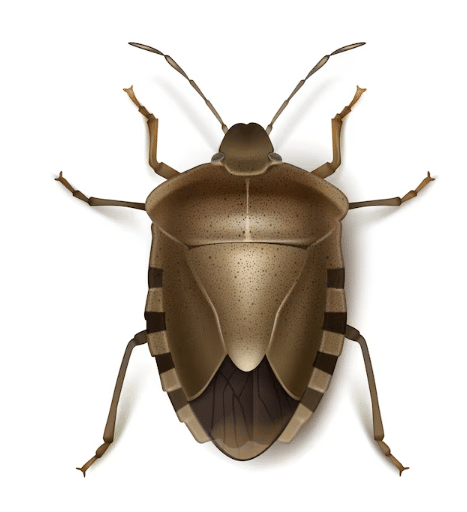
Some situations increase the risk of bringing bed bugs home.
If any of the following apply, consider inspecting every two weeks.
Frequent Travelers
Hotels, airports, vacation rentals, and public transportation can all expose travelers to bed bugs.
After returning home:
- Inspect luggage
- Wash clothing immediately
- Dry clothing on high heat
- Examine travel bags carefully
Many infestations begin with a single hitchhiking bed bug.
Apartment Residents
Apartment infestations often spread through:
- Shared walls
- Utility lines
- Electrical outlets
- Common hallways
If a neighboring unit experiences bed bugs, your risk increases significantly.
College Students
Dormitories create ideal conditions for bed bug movement.
Students should inspect:
- Mattresses
- Furniture
- Storage bins
- Shared living areas
at least once each month.
Secondhand Furniture Buyers
A free couch can quickly become a very expensive couch.
Always inspect:
- Furniture seams
- Cushion folds
- Undersides
- Wooden joints
before bringing furniture into your home.
Signs You Should Inspect Immediately
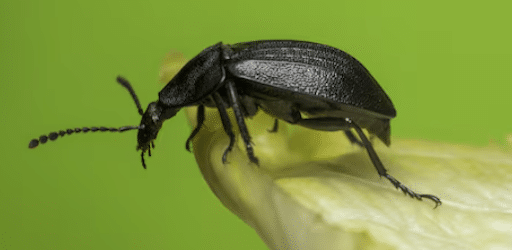
Sometimes waiting for your next scheduled inspection isn’t the best idea.
Inspect right away if you notice:
Unexplained Bites
Bed bug bites often appear:
- In rows
- In clusters
- On exposed skin
- After sleeping
Not everyone reacts to bites, however.
Studies suggest that a significant percentage of people show little or no visible reaction.
Blood Spots on Bedding
Small reddish stains can occur when a bed bug is accidentally crushed during sleep.
Dark Fecal Spots
Tiny black dots around mattress seams and furniture may indicate active bed bug activity.
Shed Skins
As bed bugs grow, they leave behind translucent exoskeletons.
Finding these is often a strong sign of an infestation.
Live Bed Bugs
Adult bed bugs are roughly the size of an apple seed and are usually reddish-brown.
If you see one, it’s time for a thorough inspection.
Where Bed Bugs Commonly Hide
Many homeowners focus only on the mattress.
That’s often a mistake.
Professional inspections routinely uncover hidden bed bugs in:
Sleeping Areas
- Mattress seams
- Box springs
- Bed frames
- Headboards
Furniture
- Sofas
- Recliners
- Ottomans
- Dining chairs
Room Perimeters
- Baseboards
- Carpet edges
- Wall cracks
- Trim gaps
Unexpected Locations
- Electrical outlets
- Curtain folds
- Picture frames
- Closet shelving
- Luggage
The larger the infestation becomes, the farther bed bugs tend to spread.
How to Perform a Basic Home Inspection

You don’t need special equipment for a preliminary inspection.
A flashlight and patience go a long way.
Step 1: Remove Bedding
Inspect:
- Sheets
- Pillowcases
- Mattress seams
Look for blood spots, eggs, or dark staining.
Step 2: Examine the Bed Frame
Pay special attention to:
- Screw holes
- Joint connections
- Wooden cracks
These are favorite hiding spots.
Step 3: Check Nearby Furniture
Nightstands and upholstered furniture often show activity before homeowners notice bugs elsewhere.
Step 4: Inspect Room Edges
Look along:
- Baseboards
- Carpet transitions
- Outlet covers
Bed bugs frequently use these areas as travel routes.
Why DIY Inspections Sometimes Miss the Problem
Bed bugs are incredibly skilled at staying hidden.
We’ve encountered infestations where homeowners inspected the mattress multiple times and found nothing.
Meanwhile, dozens of bed bugs were hiding behind a nearby headboard.
Professional pest inspections involve:
- Systematic room evaluations
- Experience identifying subtle signs
- Specialized tools when necessary
- Knowledge of unusual hiding locations
That’s why professional inspections often uncover activity homeowners overlook.
Can Bed Bugs Spread Between Rooms?
Absolutely.
Contrary to popular belief, bed bugs don’t stay confined to one bed forever.
They spread through:
- Furniture movement
- Laundry
- Personal belongings
- Shared walls
- Electrical pathways
The longer an infestation remains untreated, the greater the chance it will spread throughout the home.
What Happens If You Skip Inspections?
Many homeowners don’t discover bed bugs until the infestation becomes severe.
That often leads to:
- Larger treatment areas
- Increased costs
- More preparation requirements
- Multiple treatment visits
- Greater stress and disruption
Routine inspections can prevent many of these headaches.
When Should You Call a Professional?

You don’t need confirmation before reaching out.
If you’re noticing:
- Recurring bites
- Blood spots
- Dark staining
- Shed skins
- Suspicious insects
A professional inspection is worth scheduling.
The sooner an infestation is identified, the easier it is to control.
We Also Provide Services In Nearby Areas
- Allen, TX
- Lewisville, TX
- Bedford, TX
- Garland, TX
- Flower Mound, TX
- Dallas, TX
- Denton, TX
- Aubrey, TX
- Argyle, TX
- Allen, TX (Termite Control)
- New Hope, TX
Final Thoughts
Bed bugs aren’t a sign of poor housekeeping, and they can show up in nearly any home.
What separates a small issue from a major infestation is often how quickly it’s discovered.
For most homeowners, a monthly inspection is a good habit. Frequent travelers, apartment residents, and households with higher exposure risks may benefit from checking more often.
A few minutes each month can help protect your home, your furniture, and perhaps most importantly, your sleep.
Need a Bed Bug Inspection?
DOFFDON Pest Control helps homeowners identify, treat, and eliminate bed bug infestations throughout North Texas.
Contact Us
Phone: (469) 499-4495
Emails:
donsonbrooks@gmail.com
don@doffdon.com
Business Hours
Mon – Wed: 7:30 AM – 11:00 PM
Thu: 7:30 AM – 6:00 PM
Fri & Sat: 7:30 AM – 11:00 PM
Sun: 2:30 PM – 11:00 PM
Call today to schedule an inspection and get answers before a small problem turns into a bigger one.
People Also Ask (PAA)
Q-1: How often should I inspect my home for bed bugs?
Most homeowners should inspect sleeping areas once a month. Higher-risk households may benefit from bi-weekly inspections.
- Should I inspect more often after traveling?
Yes. Travel is one of the most common ways bed bugs enter homes.- What should I check after a trip?
Inspect luggage, clothing, shoes, and travel bags.
- What should I check after a trip?
- Can one bed bug start an infestation?
Yes. A single pregnant female can eventually establish a population.
Q-2: What are the first signs of bed bugs?
Common early signs include bites, blood spots, fecal marks, shed skins, and live bugs.
- Do bed bug bites always appear?
No. Some people show no visible reaction.- Can you have bed bugs without bites?
Absolutely. Physical evidence is often more reliable than bites.
- Can you have bed bugs without bites?
- What do bed bug stains look like?
Small black dots or reddish-brown smears.
Q-3: Where do bed bugs hide most often?
They commonly hide near sleeping areas and upholstered furniture.
- Do they only live in beds?
No. They also hide in sofas, chairs, baseboards, and outlets.- Can they hide inside walls?
Yes. Wall voids and electrical conduits can harbor bed bugs.
- Can they hide inside walls?
- Do bed bugs stay in one room?
Not necessarily. They often spread throughout the property.
Q-4: Can I inspect for bed bugs myself?
Yes. Homeowners can perform visual inspections regularly.
- What tools should I use?
A flashlight and magnifying glass can help.- Do I need professional equipment?
Not for basic inspections, but professionals may use specialized tools.
- Do I need professional equipment?
- Why do homeowners miss infestations?
Bed bugs hide in very small, hard-to-see spaces.
Q-5: When should I call a bed bug exterminator?
Contact a professional when you notice signs of activity or suspect an infestation.
- Should I wait until I see live bugs?
No. Early signs are enough to justify an inspection.- Does early treatment help?
Yes. Early treatment is usually faster and more effective.
- Does early treatment help?
- Can professional inspections find hidden bed bugs?
Yes. Professionals know where to look and what evidence to identify.
Q-6: Can bed bugs come back after treatment?
Yes, if follow-up inspections and prevention measures are not maintained.
- Why do infestations return?
Eggs may hatch after treatment or new bugs may be introduced.- How can I prevent reinfestation?
Use mattress encasements, inspect luggage, and monitor sleeping areas regularly.
- How can I prevent reinfestation?
- Are follow-up inspections necessary?
Yes. They help confirm complete elimination and prevent recurring infestations.