
How To Protect Your Mattress From Bed Bugs
How to Protect Your Mattress From Bed Bugs: 12 Smart Ways to Sleep Bug-Free
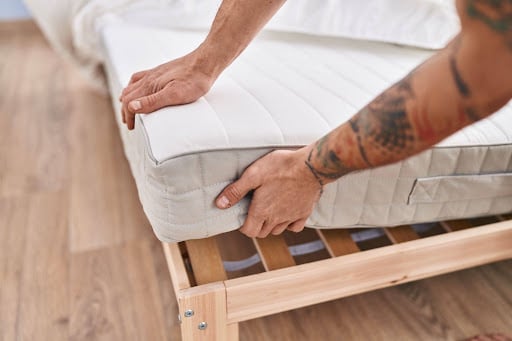
Your mattress is supposed to be the place where you recharge after a long day—not a five-star buffet for bed bugs.
Unfortunately, bed bugs are remarkably good at finding beds. They hide in mattress seams, box springs, bed frames, cracks, and nearby furniture, then emerge when people are resting. Worse, they can arrive without warning by hitchhiking on luggage, clothing, used furniture, bedding, and other belongings.
The good news? You can make your mattress significantly harder for bed bugs to invade and easier to monitor.
The U.S. Environmental Protection Agency (EPA) recommends using protective mattress and box-spring encasements, reducing clutter, regularly heat-drying bedding, and using monitoring devices such as bed bug interceptors as part of an integrated pest management approach.
So, how do you protect your mattress from bed bugs?
Let’s get into it.
Why Your Mattress Is a Prime Target for Bed Bugs
Bed bugs don’t build elaborate nests like birds or ants. They prefer hiding in small cracks and protected spaces close to their food source.
Unfortunately, your mattress checks several boxes.
Mattresses contain:
- Seams and piping
- Folds and edges
- Handles and labels
- Small gaps around the mattress
- Dark, protected areas
- Close proximity to sleeping people
The EPA specifically lists mattress seams, piping, box springs, bed frames, and headboards among common places where bed bugs may hide.
And here’s the frustrating part: you may not see a bed bug even when one is nearby.
Bed bugs are small, excellent at hiding, and often active when you’re asleep.
That’s why prevention and early detection go hand in hand.
12 Ways to Protect Your Mattress From Bed Bugs
1. Use a High-Quality Bed Bug Mattress Encasement
If you’re serious about protecting your mattress, a properly designed bed bug encasement is one of the smartest tools available.
A mattress encasement completely surrounds the mattress and uses a secure closure to prevent bed bugs from getting in or escaping.
The EPA recommends protective covers that fully encase mattresses and box springs. A quality encasement also eliminates many potential hiding places and makes future inspections easier.
What should you look for in an encasement?
Choose one that:
- Completely surrounds the mattress
- Has a secure zipper
- Is specifically designed and tested for bed bugs
- Is durable enough to resist tearing
- Fits your mattress properly
- Does not leave gaps around the zipper
Avoid treating a normal mattress protector as if it were a bed bug encasement. A waterproof cover designed for spills isn’t necessarily designed to stop bed bugs.
How long should you keep an encasement on?
If you’re dealing with an infestation, don’t rush to remove it.
The EPA recommends leaving bed bug encasements in place for one year when used as part of control efforts.
2. Encase the Box Spring Too
Protecting only the mattress can leave a major gap in your defense.
Box springs contain plenty of dark, concealed areas where bed bugs can hide.
For that reason, encase the:
- Mattress
- Box spring
- Foundation, where applicable
The EPA specifically recommends covers for both mattresses and box springs.
Think of it like locking both the front and back doors. Why leave one wide open?
3. Move Your Bed Away From the Wall
Bed bugs are not tiny superheroes. They don’t fly or jump from the wall onto your bed.
They crawl.
So, making your bed less connected to surrounding surfaces can make it harder for them to reach you.
The EPA recommends moving the bed at least 6 inches away from the wall when preparing for bed bug treatment.
This creates a useful separation between the mattress and nearby walls.
4. Keep Bedding Off the Floor
Your comforter may look innocent hanging over the side of the bed.
But if it touches the floor, it can create a convenient bridge for crawling insects.
Keep:
- Sheets tucked appropriately
- Blankets off the floor
- Comforters from dragging
- Bed skirts away from the floor when possible
The EPA recommends making the bed an “island” by ensuring bedding does not touch the floor.
Small change. Big difference in making monitoring easier.
5. Install Bed Bug Interceptors Under Bed Legs
Bed bug interceptors are small monitoring devices placed beneath furniture legs.
They can help catch bed bugs attempting to climb onto the bed.
The EPA recommends placing interceptors under each bed leg and inspecting them regularly, particularly during bed bug control efforts.
They’re useful because they turn your bed into something closer to a monitored island.
Why are interceptors useful?
They can:
- Help detect bed bug activity
- Reduce access to the bed
- Provide evidence that bugs are moving toward the bed
- Help monitor treatment progress
Research has also found that interceptor-based monitoring can be useful within broader integrated pest management programs.
6. Inspect Your Mattress Regularly
You don’t need to become a professional entomologist.
But you should know what to look for.
When changing sheets, inspect:
- Mattress seams
- Corners
- Piping
- Mattress tags
- Box spring edges
- Bed frame joints
- Headboard cracks
- Areas around the bed
Look for:
- Live bed bugs
- Tiny dark spots
- Rust-colored stains
- Shed skins
- Eggs or eggshells
The EPA identifies dark fecal spots, reddish stains, eggs, eggshells, shed skins, and live insects as potential signs of bed bugs.
Don’t rely only on bites
This is important.
Bed bug bites can look similar to bites or skin reactions caused by other things, and some people may not have obvious reactions.
Physical evidence around the sleeping area is much more useful for confirming an infestation.
7. Wash and Heat-Dry Bedding Regularly
Your sheets, blankets, pillowcases, and other washable bedding should be cleaned regularly.
But here’s an important detail:
Washing alone may not reliably kill bed bugs.
The EPA recommends placing bedding and clothing in a dryer at high temperatures for 30 minutes to kill bed bugs.
When dealing with a suspected infestation, follow appropriate handling procedures so you don’t accidentally spread bugs to another room or area.
Don’t forget the laundry hamper
Bed bugs can hide in laundry containers too.
The EPA recommends paying attention to hampers and laundry containers because bugs can potentially hide there.
8. Be Careful With Secondhand Mattresses and Furniture
A cheap mattress isn’t really cheap if it comes with bed bugs.
The safest approach is to avoid purchasing used mattresses and box springs.
If you’re considering used furniture, inspect it thoroughly before bringing it into your home.
Pay particular attention to:
- Seams
- Undersides
- Joints
- Cracks
- Upholstery folds
- Screw holes
- Hidden corners
The EPA specifically recommends checking secondhand furniture, beds, and couches before bringing them home.
If you aren’t confident that an item is pest-free, don’t gamble.
9. Protect Your Mattress After Traveling
Travel is one of the classic ways bed bugs can hitchhike into a home.
Bed bugs can travel on luggage, clothing, bedding, and other belongings.
When returning from a trip:
- Keep luggage away from the bed.
- Inspect luggage before storing it.
- Remove washable clothing.
- Heat-dry appropriate clothing on high heat.
- Store cleaned items appropriately.
- Inspect the suitcase before putting it away.
And perhaps most importantly:
Don’t throw your suitcase directly onto your bed after vacation.
Your mattress didn’t go on vacation. It doesn’t need the souvenirs.
10. Reduce Clutter Around Your Bed
Clutter gives bed bugs more places to hide.
Boxes, piles of clothes, bags, papers, and miscellaneous objects around the bed can make inspections more difficult.
The EPA recommends reducing clutter because it removes potential hiding places and makes bed bugs easier to locate and treat.
You don’t need a showroom-perfect bedroom.
Just avoid turning the area around your bed into an obstacle course.
11. Vacuum Carefully Around the Bed
Regular vacuuming can help remove bed bugs and potential hiding debris from appropriate surfaces.
Pay attention to:
- Mattress edges
- Bed frame joints
- Floors around the bed
- Baseboards
- Nearby furniture
If you’re vacuuming during an active infestation, follow proper disposal procedures. The EPA recommends sealing and promptly disposing of vacuum contents outdoors after use.
Vacuuming can help reduce pests, but don’t mistake it for a complete treatment.
A few bugs hiding inside a wall or furniture can keep the problem going.
12. Inspect Your Bed After Bringing New Items Home
Bed bugs don’t care whether something came from a luxury store, a friend’s house, a moving truck, or a curbside giveaway.
Any item that could potentially harbor bed bugs deserves attention.
Before placing new furniture, luggage, boxes, or other belongings near your bed, inspect them.
This is especially important when:
- Moving into a new apartment
- Buying used furniture
- Traveling
- Moving between homes
- Staying in shared housing
- Receiving secondhand mattresses or upholstered items
Prevention becomes much easier when you stop the hitchhiker before it reaches the bedroom.
What If You Already Have Bed Bugs in Your Mattress?
This is where prevention turns into treatment.
If you find evidence of bed bugs, don’t simply throw the mattress away and assume the problem is solved.
Bed bugs may also be hiding in:
- Box springs
- Bed frames
- Headboards
- Nightstands
- Baseboards
- Upholstered furniture
- Cracks and crevices
- Nearby walls
Getting rid of the mattress can leave the rest of the infestation untouched.
Step 1: Confirm the infestation
Try to identify the pest correctly.
The EPA recommends looking for physical signs such as live bugs, fecal spots, shed skins, eggs, eggshells, and reddish stains.
Step 2: Avoid moving the mattress unnecessarily
Moving an infested mattress through your home can spread bed bugs to other areas.
Keep potentially infested items contained and follow professional guidance.
Step 3: Encase the mattress
A proper bed bug encasement can trap bed bugs inside and prevent new bugs from using the mattress as a hiding place.
Step 4: Inspect the entire sleeping area
Treating the mattress while ignoring the bed frame or surrounding furniture can leave hiding spots untouched.
Step 5: Consider professional treatment
Established infestations can be difficult to eliminate without a comprehensive strategy.
The EPA recommends integrated pest management (IPM), which combines appropriate inspection, monitoring, non-chemical measures, and chemical treatments when necessary.
Can a Mattress Encasement Completely Prevent Bed Bugs?
No.
A quality encasement is an excellent protective and monitoring tool, but it isn’t a magic force field.
Bed bugs can hide in areas around the mattress, including:
- Bed frames
- Headboards
- Box springs
- Nightstands
- Baseboards
- Furniture
- Cracks and crevices
That means mattress protection should be part of a larger prevention strategy.
The EPA recommends combining encasements with measures such as reducing clutter, laundering and heat-drying items, monitoring, inspection, and other appropriate pest management methods.
Should You Throw Away a Mattress With Bed Bugs?
Not necessarily.
Throwing away a mattress can be expensive, and it may not eliminate the infestation if bed bugs are also hiding elsewhere.
Depending on the situation, professional treatment and a properly installed encasement may allow the mattress to remain in use.
If a mattress is severely damaged, heavily infested, or cannot be safely treated, replacement may be appropriate—but that decision should be made carefully.
If you do discard an infested mattress, make sure it is handled responsibly so another person doesn’t unknowingly take it home.
What NOT to Do When Protecting Your Mattress
Some popular DIY ideas can create more problems than they solve.
Don’t rely on bug bombs alone
The EPA warns that foggers and bug bombs should not be used as the only method of bed bug control.
Don’t heat your entire home with unsafe equipment
Never try to raise the temperature of your home using a thermostat, propane heater, fireplace, or similar equipment to kill bed bugs.
The EPA specifically warns that these DIY heating methods don’t work reliably and can be dangerous.
Don’t assume sunlight will solve everything
Putting a mattress outside in the sun isn’t a guaranteed treatment.
Research has shown that even when exposed surfaces become extremely hot, cooler areas inside a thick mattress may remain at temperatures that are not lethal to bed bugs.
Don’t spray random chemicals on your mattress
Only use products according to their labels and only where the label permits.
A mattress is something you sleep on. “More chemicals = more protection” is not a safe strategy.
A Simple Bed Bug Mattress Protection Checklist
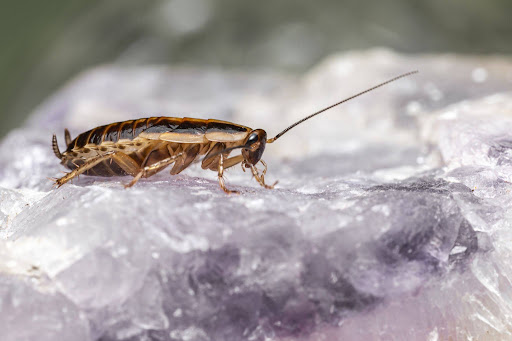
Want the short version?
Use this checklist:
- Install a quality bed bug mattress encasement.
- Encase the box spring or foundation.
- Keep the bed at least 6 inches from the wall.
- Keep blankets and sheets off the floor.
- Place interceptors under bed legs.
- Inspect mattress seams regularly.
- Look for dark spots, stains, eggs, shed skins, and live bugs.
- Heat-dry appropriate bedding and clothing.
- Reduce clutter around the bed.
- Inspect secondhand furniture carefully.
- Inspect luggage after traveling.
- Don’t move potentially infested furniture around the home.
- Contact a professional if you suspect an established infestation.
Frequently Asked Questions About Protecting Your Mattress From Bed Bugs
Q-1: How can I protect my mattress from bed bugs?
The best approach is to combine a high-quality bed bug mattress encasement with regular inspections, bed-leg interceptors, reduced clutter, careful laundry practices, and good travel and secondhand-furniture habits. The EPA recommends mattress and box-spring encasements as part of an integrated bed bug management strategy.
- Does a mattress protector prevent bed bugs?
A standard waterproof mattress protector isn’t necessarily designed for bed bugs. Use a purpose-built encasement that completely seals the mattress.- How long should a bed bug encasement stay on?
During bed bug control, EPA guidance recommends leaving appropriate encasements on for one year. - Should I encase my box spring too?
Yes. Box springs can provide hiding places, so protecting both the mattress and box spring provides more complete coverage.
- How long should a bed bug encasement stay on?
Q-2: Can bed bugs get through a mattress encasement?
A properly designed, intact bed bug encasement is intended to prevent bed bugs from entering or escaping the mattress. However, the encasement must remain completely sealed and free of tears or gaps.
- Can bed bugs escape through the zipper?
A quality encasement should have a secure zipper designed to prevent escape.- What if the encasement gets a hole?
Repair or replace it promptly. An opening can compromise the barrier. - Can bed bugs live outside the encasement?
Yes. Bed bugs may hide in the bed frame, box spring, headboard, furniture, walls, or other areas around the bed.
- What if the encasement gets a hole?
Q-3: How often should I inspect my mattress for bed bugs?
Regularly inspecting the mattress and surrounding sleeping area is a smart prevention habit, especially after travel, moving, purchasing secondhand furniture, or learning about an infestation nearby.
- What should I look for?
Look for live bugs, dark fecal spots, reddish stains, shed skins, eggs, and eggshells.- Are bed bug bites enough to confirm an infestation?
No. Physical evidence is more reliable because skin reactions can vary between people.
- Are bed bug bites enough to confirm an infestation?
Q-4: Can washing sheets prevent bed bugs?
Regular laundering and high-heat drying can help reduce bed bugs on bedding, but washing alone may not reliably kill them. EPA guidance recommends high-temperature drying for 30 minutes for appropriate bedding and clothing.
- Does the dryer kill bed bugs?
High heat in a household dryer can kill bed bugs and is an important tool when used appropriately.- Should I dry before washing?
When dealing with a suspected infestation, EPA guidance emphasizes using the dryer at high heat for 30 minutes because washing alone may not do the job.
- Should I dry before washing?
Q-5: Do bed bug interceptors protect a mattress?
Interceptors can help protect and monitor the bed by trapping bed bugs attempting to climb the legs. They work best as part of a broader prevention or treatment strategy rather than as a standalone solution.
- Where do I put interceptors?
Place one beneath each bed leg.- How often should I check them?
During an active infestation or monitoring period, inspect them frequently according to your pest-control plan.
- How often should I check them?
Q-6: Should I throw away a mattress with bed bugs?
Not automatically. A mattress may sometimes be treated and protected with an appropriate encasement. Throwing away the mattress also won’t solve an infestation if bed bugs remain elsewhere in the room.
- When should a mattress be replaced?
Replacement may make sense if the mattress is severely damaged, cannot be safely treated, or a professional determines that disposal is appropriate.- Can a new mattress get bed bugs?
Yes. If the surrounding infestation remains, a new mattress can become infested too.
- Can a new mattress get bed bugs?
Q-7: Can bed bugs live in a mattress protector?
Bed bugs can potentially hide in or around a poorly designed or damaged cover. A standard mattress protector is not necessarily a bed bug barrier.
- What type of cover should I use?
Choose a durable, fully enclosing bed bug encasement with a secure zipper.- Should the cover be inspected?
Yes. Regularly check for tears, holes, loose seams, or zipper problems.
- Should the cover be inspected?
Q-8: Can I prevent bed bugs by keeping my bedroom clean?
Cleanliness alone does not guarantee protection from bed bugs. Bed bugs can enter clean homes by hitchhiking on luggage, clothing, furniture, boxes, and other belongings.
- Does clutter make bed bugs worse?
Clutter creates additional hiding places and makes inspections and treatment more difficult.- Can a spotless home still get bed bugs?
Absolutely. Bed bugs are hitchhikers, not a cleanliness test.
- Can a spotless home still get bed bugs?
Q-9: What should I do if I find one bed bug on my mattress?
Don’t ignore it. Try to safely preserve the specimen or photograph it for identification, inspect the sleeping area carefully, and consider professional pest inspection.
- Should I immediately throw away the mattress?
No. First determine whether there is an infestation and where the bugs are hiding.- Should I move the bed or mattress?
Avoid unnecessarily moving potentially infested items because doing so can spread bed bugs to other areas.
- Should I move the bed or mattress?
Protect Your Mattress Before Bed Bugs Become a Bigger Problem
Your mattress is one of the most important places to protect because it’s where you spend hours every night—and where bed bugs most want to be.
A quality mattress encasement, bed-leg interceptors, regular inspections, smart laundry habits, clutter control, and careful handling of luggage and secondhand furniture can dramatically improve your defenses.
But if you’ve already found live bed bugs, don’t let a mattress cover create a false sense of security. Bed bugs can hide beyond the mattress in bed frames, box springs, furniture, walls, and cracks.
The EPA recommends an integrated pest management approach because bed bugs are difficult to eliminate with one tactic alone.
If you suspect an infestation, professional help can identify the problem and determine the right treatment strategy.
Services & Areas
- Best Bed Bug Control in Allen, TX
- Best Bed Bug Control in Lewisville, TX
- Bedford, TX
- Garland, TX
- Flower Mound, TX
- Bed Bug Removal Specialists in Dallas, TX
- Termites Control in Allen, TX
- Bed Bug Removal Services Denton, TX
- Best Bed Bug Control in Aubrey, TX
- Best Bed Bug Control in Argyle, TX
- Best Pest Control New Hope, TX
- Best Pest Control Josephine, TX
- Pest Control Near Me St. Paul, TX
- Bed Bug Exterminator Blue Ridge, TX
- Bed Bug Treatment Blue Ridge, TX
- Pest Control Company Blue Ridge, TX
Services & Areas
- Best Bed Bug Control in Fort Worth, TX
- Bed Bug Control McKinney, TX
- Bed Bug Control Frisco, TX
- Pest Control Company Princeton, TX
- Best Bed Bug Control in Murphy, TX
Need Help With Bed Bugs?
Don’t wait until one suspicious bug turns into a full-blown infestation.
Contact Doffdon for professional bed bug help.
📞 Call: (469) 499-4495
📧 Email: donsonbrooks@gmail.com
📧 Email: don@doffdon.com
Hours:
Monday–Wednesday: 7:30 AM–11:00 PM
Thursday: 7:30 AM–6:00 PM
Friday–Saturday: 7:30 AM–11:00 PM
Sunday: 2:30 PM–11:00 PM
Protect your mattress. Protect your sleep. And if bed bugs have already moved in, let Doffdon help you show them the door.