
What Happens If Bed Bugs Are Left Untreated for Months

Think a few bed bugs will just go away on their own?
They won’t. Bed bugs don’t disappear. They grow, spread, and settle deeper into your space. What starts as a small issue can turn into a full infestation if ignored.
Let’s walk through what actually happens over time—and why waiting usually makes things worse.
Month 1: It Starts Small (and Easy to Miss)
At the beginning, signs are subtle.
You might notice:
- A few bites on your arms or legs
- Tiny dark spots on sheets
- Occasional itching at night
Most people brush this off. Maybe it’s mosquitoes. Maybe it’s nothing.
But behind the scenes, bed bugs are already active.
What’s Happening You Don’t See
- A few adult bugs are feeding regularly
- Eggs are being laid in hidden spots
- Bugs are staying close to sleeping areas
According to the U.S. Environmental Protection Agency (EPA), female bed bugs can lay 1–5 eggs per day. That adds up quickly.
Month 2: The Infestation Begins to Grow

By now, the problem is no longer small.
You May Start Noticing
- More frequent bites
- Patterns of bites (lines or clusters)
- Slight odor in affected rooms
What’s Happening Internally
- Eggs from month one are hatching
- Nymphs are feeding and growing
- Bugs are spreading to nearby areas
Bed bugs don’t stay in one place. They move into:
- Sofas
- Curtains
- Cracks in walls
- Other rooms
A study in the Journal of Medical Entomology shows that bed bug populations can multiply rapidly under normal indoor conditions.
Month 3–4: Full Infestation Mode
At this stage, the issue is hard to ignore.
Clear Signs Appear
- Visible bugs in mattress seams
- Dark stains on bedding and furniture
- Strong, musty odor
Spread Across the Property
Bed bugs are now:
- In multiple rooms
- Inside furniture
- Behind walls and baseboards
This is where DIY methods usually fail completely.
What Happens to Your Health and Comfort
Leaving bed bugs untreated doesn’t just affect your home.
1. Sleep Disruption
You may start losing sleep. Constant biting leads to restlessness.
2. Skin Reactions
Bites can cause:
- Itching
- Swelling
- In some cases, allergic reactions
3. Stress and Anxiety
Knowing bugs are present affects mental comfort.
According to the Centers for Disease Control and Prevention (CDC), bed bugs are not known to spread disease, but they can cause significant discomfort and stress.
Why Bed Bugs Spread So Easily

Bed bugs are good travelers.
They move through:
- Clothing
- Bags
- Furniture
- Shared walls in apartments
Once they spread, they become harder to control.
The Financial Cost of Waiting
Ignoring the problem often leads to higher costs later.
Early Stage
- Small, localized treatment
- Lower cost
Late Stage
- Multiple treatments
- Full-home service
- Replacement of furniture in some cases
The longer you wait, the more resources are needed.
Common Mistakes People Make
1. Relying Only on Sprays
Many try store-bought solutions first.
These:
- Kill visible bugs
- Miss hidden ones and eggs
2. Cleaning Without Strategy
Vacuuming helps, but it doesn’t solve the issue alone.
3. Waiting Too Long
The biggest mistake is delay.
Why Bed Bugs Don’t Go Away on Their Own
Unlike some pests, bed bugs depend on human presence.
As long as they have access to a host, they:
- Feed regularly
- Reproduce continuously
They don’t leave unless removed.
When It Becomes Hard to Control
After a few months:
- Infestation spreads across rooms
- Eggs hatch in cycles
- Bugs hide deeper
At this stage, control requires a structured approach.
Actionable Tips If You Suspect Bed Bugs
1. Check Early Signs
Look for:
- Bites
- Dark spots
- Shed skins
2. Avoid Moving Infested Items
This spreads the problem.
3. Don’t Overuse Chemicals
It can make bugs harder to detect.
4. Act Quickly
Early action reduces effort and cost.
Professional Help vs Waiting
Waiting gives bed bugs time.
Professional help:
- Identifies full spread
- Targets hidden areas
- Breaks the life cycle
That’s the key difference.
The Bottom Line
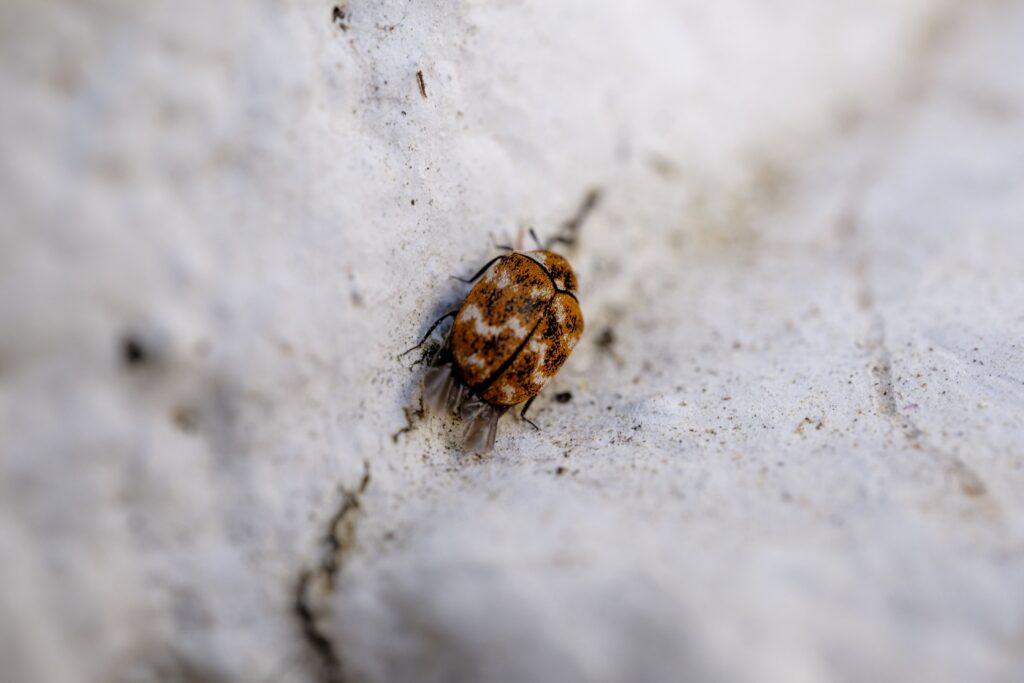
Bed bugs don’t stay small.
What starts as a minor issue can turn into a serious infestation in a few months. The longer they stay untreated, the harder they are to remove.
If you think you might have bed bugs, it’s better to act early than deal with a bigger problem later.
CONTACT US
(469) 499-4495
donsonbrooks@gmail.com
don@doffdon.com
Mon – Wed: 7:30 AM – 11:00 PM
Thu: 7:30 AM – 6:00 PM
Fri & Sat: 7:30 AM – 11:00 PM
Sun: 2:30 PM – 11:00 PM
People Also Ask (PAA)
Q-1: How fast do bed bugs multiply?
Bed bugs reproduce quickly, especially in warm indoor environments.
- How many eggs do they lay?
A female can lay 1–5 eggs daily.- How long do eggs take to hatch?
Around 6–10 days.
- How long do eggs take to hatch?
- How fast can infestation grow?
It can expand significantly within weeks.
Q-2: Can bed bugs go away without treatment?
No, they don’t leave on their own.
- Do they die without feeding?
They can survive for months without feeding.- Will they leave if unused room?
Not always. They wait.
- Will they leave if unused room?
- Can cleaning remove them fully?
No, it helps but doesn’t eliminate all bugs.
Q-3: What are the early signs of bed bugs?
Bites, small stains, and shed skins.
- Are bites always visible?
Not for everyone.- Where do bites appear?
Usually on exposed skin.
- Where do bites appear?
- Can you see bed bugs easily?
Not in early stages.
Q-4: Is it dangerous to ignore bed bugs?
It’s not life-threatening but causes discomfort and stress.
- Do they spread disease?
No confirmed disease transmission.- Can bites cause infection?
Yes, if scratched excessively.
- Can bites cause infection?
- Do they affect sleep?
Yes, significantly.
Q-5: When should I take action?
As soon as you notice signs.
- Is early treatment easier?
Yes, much easier and cheaper.- Should I wait for more signs?
No, act early.
- Should I wait for more signs?
- Does delay increase cost?
Yes, significantly.