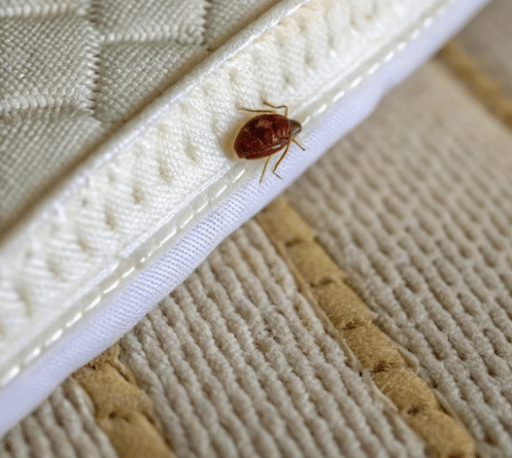
Do Bed Bugs Only Live in Beds? The Surprising Truth About Where They Really Hide
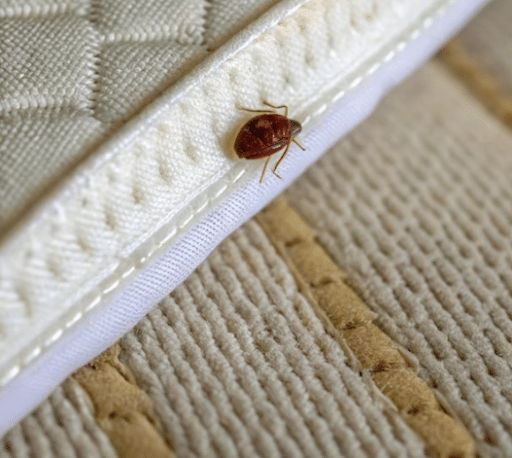
If the name “bed bug” makes you think these pests live only inside mattresses, you’re not alone. It’s one of the most common assumptions homeowners make. The reality is far less comforting.
Bed bugs don’t just stay in beds. They hide in many places around your home, especially in tight spaces near where people sleep or rest. Mattresses are simply the most convenient spot—not the only one.
Understanding where bed bugs hide is one of the most important steps in stopping an infestation early. In this guide, we’ll uncover the truth about these pests, the places they hide, and how you can detect them before the problem spreads.
Why Bed Bugs Prefer Beds (But Don’t Stay There)
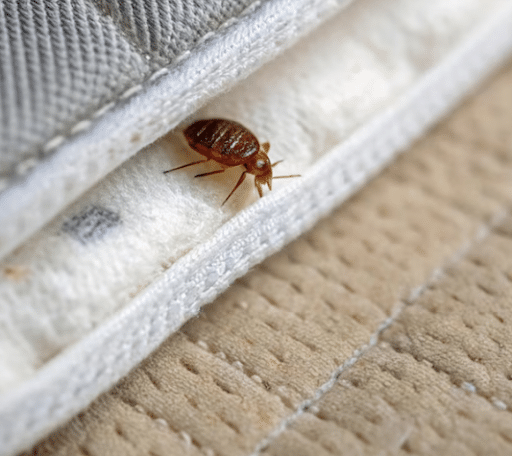
Beds are a natural starting point for bed bugs. After all, that’s where their favorite meal—human blood—is easiest to access.
Bed bugs are nocturnal insects that typically feed at night while people sleep. Because of this behavior, they tend to stay close to sleeping areas. Research shows that most bed bugs live within about 8 feet of where people sleep because it keeps them near their food source.
But convenience doesn’t mean exclusivity. When the population grows or the bed becomes disturbed, these insects will spread to other areas nearby.
They can travel surprisingly far too. Bed bugs can move up to 100 feet in one night while searching for food or new hiding spots.
So while your mattress might be ground zero, the rest of your home could easily become their hiding place.
The Most Common Places Bed Bugs Hide in Homes
Bed bugs are experts at squeezing into small, dark spaces. Their flat bodies allow them to fit into cracks barely wider than a credit card.
Here are the most common hiding spots professionals check during an inspection.
1. Mattress Seams and Box Springs
Let’s start with the obvious one.
Bed bugs love mattresses because they offer:
- Warmth
- Darkness
- Easy access to their host
Look closely at:
- Mattress seams
- Fabric tags
- Tufts and stitching
- Box spring edges
These areas provide tiny crevices perfect for hiding during the day.
2. Bed Frames and Headboards
Many infestations are actually found in the bed frame itself, not the mattress.
Wooden frames, especially those with joints and screw holes, provide ideal hiding spots.
Inspect:
- Screw holes
- Frame joints
- Slats
- Behind wall-mounted headboards
These narrow gaps are often overlooked but frequently host bed bugs.
3. Furniture Near the Bed
If bed bugs run out of space in the bed—or are disturbed—they move to nearby furniture.
Common hiding spots include:
- Nightstands
- Dressers
- Drawer joints
- Upholstered chairs
Furniture joints and seams give bed bugs plenty of places to hide during daylight hours.
4. Sofas and Living Room Furniture
Yes, bed bugs can live in your living room too.
Couches and recliners are especially vulnerable because they contain:
- Fabric seams
- Cushion folds
- Hidden wooden frames
These locations provide both shelter and easy access to humans sitting nearby.
Why Bed Bugs Are So Hard to Find
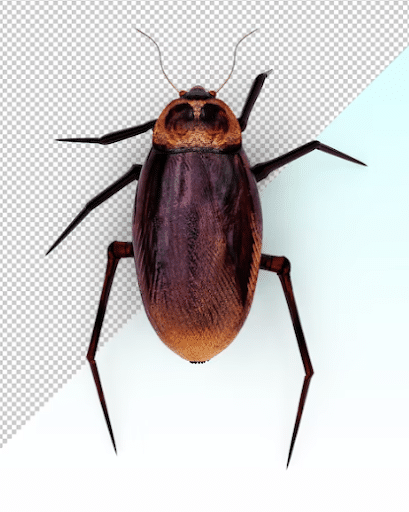
Bed bugs are tiny and excellent at hiding.
Adult bed bugs are only about 5 millimeters long, roughly the size of an apple seed.
Their flat bodies allow them to slip into extremely narrow spaces.
Even worse:
- They hide during the day
- They move quietly at night
- They can survive months without feeding
In fact, bed bugs can live six months to a year without food in some conditions.
This makes them one of the most persistent household pests.
Signs Bed Bugs Are Hiding in Your Home
Since bed bugs hide well, you often notice their evidence before seeing the insects themselves.
Look for these signs:
1. Bite Marks
Bed bug bites often appear:
- In clusters
- In straight lines
- On exposed skin
Common locations include arms, neck, shoulders, and legs.
2. Rust-Colored Stains
Small blood stains or dark spots may appear on:
- Sheets
- Mattress seams
- Pillowcases
These stains come from crushed bugs or their droppings.
3. Musty Odor
Large infestations sometimes produce a sweet, musty smell.
This odor comes from bed bug scent glands.
4. Shed Skins and Eggs
Bed bugs shed their outer skin multiple times during development.
You might find:
Egg casings in crevices
Why DIY Bed Bug Removal Often Fails
Many homeowners try sprays or home remedies first.
Unfortunately, bed bugs are extremely resilient.
Reasons DIY treatments fail:
- Bugs hide in deep cracks
- Eggs survive many treatments
- Infestations spread to new rooms
Even pesticides may not reach every hiding spot.
Experts recommend a full inspection and targeted treatment plan to remove bed bugs effectively.
How to Check Your Home for Bed Bugs
If you suspect bed bugs, follow this step-by-step inspection process.
Step 1: Inspect the Bed
Start with:
- Mattress seams
- Bed frame joints
- Headboard
Use a flashlight for better visibility.
Step 2: Check Nearby Furniture
Look at:
- Nightstands
- Upholstered chairs
- Couch cushions
Pay special attention to seams and folds.
Step 3: Inspect Walls and Floors
Check:
- Baseboards
- Wallpaper edges
- Carpet seams
These areas often hide growing infestations.
Step 4: Examine Personal Items
Inspect:
- Luggage
- Bags
- Clothing piles
These items can easily carry bed bugs.
Need Help With Bed Bugs? Call DoffDon Today
If you suspect bed bugs in your home, don’t wait for the infestation to grow.
A professional inspection can quickly identify where they’re hiding and stop the problem before it spreads further.
Contact DoffDon today:
📞 Phone: (469) 499-4495
📧 Email: donsonbrooks@gmail.com , don@doffdon.com
Hours:
Mon – Wed: 7:30 AM – 11:00 PM
Thu: 7:30 AM – 6:00 PM
Fri & Sat: 7:30 AM – 11:00 PM
Sun: 2:30 PM – 11:00 PM
If bed bugs are hiding in your home, our team can help locate and eliminate them so you can sleep peacefully again.
FAQs: Termites Control in Allen TX
Q-1: Do bed bugs only live in beds?
No, bed bugs do not live only in beds. While mattresses and bed frames are common hiding spots, these pests can live anywhere close to where people rest or sleep. They hide in small cracks, furniture seams, wall gaps, and even inside electrical outlets.
- Q-1a: Why are bed bugs often found in beds?
Beds provide easy access to humans at night, which is when bed bugs feed. The seams of mattresses and box springs also provide small hiding spaces.
- Q-1a.i: Do bed bugs stay in the mattress all day?
No. During the day, they hide in nearby cracks and furniture and return to feed at night. - Q-1a.ii: Can bed bugs live inside pillows or bedding?
They usually hide in seams and folds rather than inside the material itself.
- Q-1a.i: Do bed bugs stay in the mattress all day?
- Q-1b: How far can bed bugs travel from the bed?
Bed bugs typically stay within about 8 feet of a sleeping area but can travel farther if food sources change.
Q-2: Where else can bed bugs hide in a home?
Bed bugs can hide in many places beyond beds, especially areas that provide darkness and tight spaces.
- Q-2a: Can bed bugs live in furniture?
Yes. Sofas, recliners, and upholstered chairs are common hiding spots because they contain seams and folds.
- Q-2a.i: Are couches a common place for bed bugs?
Yes. People spend long periods sitting there, making them attractive feeding locations. - Q-2a.ii: Can bed bugs hide inside wooden furniture?
Yes. They often hide in joints, screw holes, and drawer edges.
- Q-2a.i: Are couches a common place for bed bugs?
- Q-2b: Can bed bugs hide in walls or floors?
Yes. Cracks in walls, baseboards, and flooring gaps provide ideal hiding spaces.
- Q-2b.i: Do bed bugs live behind electrical outlets?
Yes. Outlet plates create dark cavities that bed bugs can use for shelter. - Q-2b.ii: Can bed bugs move between rooms through walls?
Yes. They can travel through wall voids and pipes in homes and apartments.
- Q-2b.i: Do bed bugs live behind electrical outlets?
Q-3: How do bed bugs spread throughout a house?
Bed bugs spread by crawling and hitchhiking on personal items like luggage, clothing, and furniture.
- Q-3a: Can bed bugs spread from one room to another?
Yes. As infestations grow, bed bugs move to new hiding places and rooms.
- Q-3a.i: How fast can bed bugs spread in a home?
They can travel several rooms within weeks if not treated. - Q-3a.ii: Do bed bugs climb walls or ceilings?
Yes. Bed bugs are strong climbers and can move across walls and ceilings.
- Q-3a.i: How fast can bed bugs spread in a home?
- Q-3b: Can bed bugs travel on clothing or bags?
Yes. They often hitchhike on backpacks, purses, and luggage.
- Q-3b.i: Can you bring bed bugs home from hotels?
Yes. Hotels are one of the most common sources of new infestations.
- Q-3b.i: Can you bring bed bugs home from hotels?
Q-4: What are the signs that bed bugs are hiding in your home?
Signs include bite marks, small dark stains on bedding, shed skins, and a musty odor.
- Q-4a: What do bed bug bites look like?
Bed bug bites are small, red, and itchy and often appear in clusters or straight lines.
- Q-4a.i: Where do bed bug bites usually appear on the body?
They commonly appear on arms, neck, shoulders, and legs.
- Q-4a.i: Where do bed bug bites usually appear on the body?
- Q-4b: Can you see bed bugs with the naked eye?
Yes. Adult bed bugs are about the size of an apple seed and can be seen without magnification.
- Q-4b.i: What do bed bug eggs look like?
They are tiny, white, and usually found in clusters inside cracks or seams.
- Q-4b.i: What do bed bug eggs look like?
Q-5: How can you prevent bed bugs from hiding in your home?
Prevention involves regular inspections, reducing clutter, and checking items brought into the home.
- Q-5a: Should you inspect luggage after traveling?
Yes. Bed bugs often hitchhike in suitcases after hotel stays.
- Q-5a.i: How should you clean clothes after travel?
Wash and dry clothing on high heat to kill any hidden bugs or eggs.
- Q-5a.i: How should you clean clothes after travel?
- Q-5b: Can mattress covers help prevent infestations?
Yes. Mattress encasements trap bed bugs inside and prevent new ones from hiding in seams.
- Q-5b.i: Do mattress covers eliminate bed bugs completely?
No. They help with prevention but do not remove bugs already hiding in other areas of the home.
- Q-5b.i: Do mattress covers eliminate bed bugs completely?