How Bed Bugs Enter Your Home Without You Realizing It
Most people imagine bed bugs sneaking in through dirty spaces or neglected homes. The truth is much less obvious—and a bit more frustrating. Bed bugs don’t care if your house is spotless or messy. They are expert hitchhikers, and they often enter homes completely unnoticed.
In fact, the U.S. Environmental Protection Agency notes that bed bugs commonly spread by traveling on luggage, furniture, clothing, and personal belongings. They move quietly, hide in tiny spaces, and can survive long trips without feeding.
(Source: EPA – Bed Bug Information)
That means you could unknowingly bring them home from a hotel stay, a used couch, or even a friend’s house.
Understanding how bed bugs enter homes is the first step toward stopping them before they turn into a bigger problem. Let’s break down the most common ways these pests find their way inside.
Why Bed Bugs Are Masters of Sneaking In
Bed bugs have a few traits that make them excellent travelers.
They are:
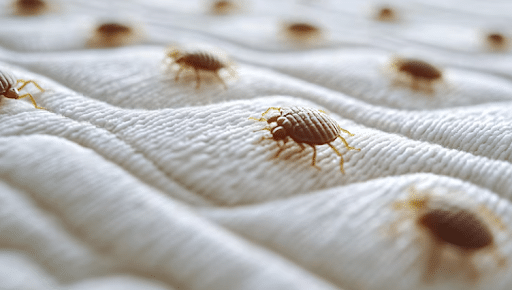
- Small and flat (about the size of an apple seed)
- Good at hiding in narrow cracks
- Able to survive months without food
- Quiet and nocturnal
According to the Centers for Disease Control and Prevention, bed bugs can survive several months without feeding, allowing them to hide in luggage, furniture, and storage items until they find a new host.
(Source: CDC – Bed Bugs)
This survival ability is why infestations often start without any warning.
The Most Common Ways Bed Bugs Enter Homes
1. Luggage After Travel
Travel is one of the most common ways bed bugs spread.
Hotels, motels, and vacation rentals often see high guest turnover. Even with cleaning routines, bed bugs can occasionally appear.
When you place your suitcase on the floor or bed, bed bugs may crawl into:
- Zippers
- Fabric seams
- Luggage pockets
Once your luggage returns home, the bugs simply crawl out and settle into nearby furniture.
Travel Tip
Always inspect the mattress seams and headboard area when checking into a hotel room.
2. Used Furniture and Mattresses
Buying secondhand furniture can save money—but it can also bring unwanted pests.
Bed bugs frequently hide in:
- Upholstered couches
- Wooden bed frames
- Recliners
- Mattresses
Since they hide deep inside joints and seams, infestations may go unnoticed until the furniture has been inside your home for weeks.
According to pest management experts, secondhand furniture is one of the leading sources of residential bed bug infestations.
(Source: National Pest Management Association)
Furniture Tip
Always inspect used furniture outdoors before bringing it inside your home.
3. Visitors and Overnight Guests
Bed bugs don’t just travel through objects—they travel with people.
A guest who unknowingly has bed bugs at home could bring them along in:
- Clothing
- Bags
- Backpacks
- Overnight luggage
Once inside, bed bugs simply crawl off the item and look for a place to hide.
This doesn’t mean visitors should be avoided—it simply means awareness matters.
4. Apartment Buildings and Shared Housing
If you live in an apartment, condo, or townhouse, bed bugs can sometimes move between units.
They can travel through:
- Wall cracks
- Plumbing lines
- Electrical outlets
- Shared hallways
The EPA states that bed bugs can move between rooms and apartments through small gaps and wall voids.
That means even careful residents can occasionally experience infestations due to neighboring units.
5. Public Transportation
Buses, trains, taxis, and airplanes all see thousands of passengers.
If a traveler carries bed bugs in their belongings, the insects may temporarily hide in seating areas.
From there, they may crawl into:
- Backpacks
- Purses
- Jackets
The next stop could easily be your home.
While this scenario is less common than hotel exposure, it still happens.
6. Laundromats and Shared Laundry Rooms
Bed bugs sometimes hitchhike through clothing.
In shared laundry facilities, clothing from multiple households is placed close together.
If infested items are present, bed bugs may crawl into nearby laundry baskets or garments.
Fortunately, high heat in dryers can kill bed bugs and their eggs, which helps reduce risk when clothes are properly dried.
How Fast Bed Bugs Spread Once Inside
Once bed bugs enter a home, they don’t waste time settling in.
A female bed bug can lay 1 to 5 eggs per day and up to 500 eggs during her lifetime, according to research from entomologists.
Within weeks, a small infestation can grow into a large one.
Bed bugs tend to hide near sleeping areas first, but as their population grows, they spread to:
- Furniture
- Baseboards
- Wall cracks
- Carpets
- Electronics
That’s why early detection is so important.
Signs Bed Bugs Have Entered Your Home
Most people don’t see bed bugs right away. Instead, they notice clues.
Look for these warning signs.
Bite Marks
Bed bug bites often appear in small clusters or straight lines on exposed skin.
Common areas include:
- Arms
- Neck
- Shoulders
- Legs
However, bites alone aren’t proof because other insects can cause similar marks.
Small Dark Spots
Bed bug droppings appear as tiny dark dots.
You may find them on:
- Mattress seams
- Bed frames
- Sheets
- Furniture edges
Shed Skins
As bed bugs grow, they shed their outer skin.
These shells look like small, pale insect shapes and are often found near hiding spots.
A Musty Smell
Larger infestations sometimes produce a faint musty odor.
This smell comes from pheromones released by bed bugs.
How to Reduce the Risk of Bed Bugs Entering Your Home
Preventing bed bugs isn’t about perfection—it’s about awareness.
These practical habits can reduce your chances of bringing them home.
Inspect Luggage After Travel
After returning from a trip:
- Check luggage seams
- Vacuum suitcase interiors
- Wash and dry travel clothes on high heat
Heat is one of the most effective ways to kill bed bugs.
Be Careful With Used Furniture
Before bringing secondhand items home:
- Inspect seams and cracks
- Check underneath cushions
- Look for dark spots or shells
When in doubt, skip the purchase.
Reduce Clutter
Clutter creates more hiding places for bed bugs.
Keeping living areas tidy makes inspections easier and reduces potential hiding spots.
Use Mattress Encasements
Mattress covers designed for bed bugs help prevent them from hiding inside seams.
These covers also make infestations easier to detect.
Inspect Sleeping Areas Regularly
Quick visual checks of your mattress, bed frame, and nearby furniture can help detect problems early.
Why Professional Inspections Matter
Even careful homeowners can miss early infestations.
Bed bugs hide in tiny cracks and hard-to-reach spaces.
Professional pest control inspections often include:
- Detailed room assessments
- Specialized detection tools
- Targeted treatment recommendations
Catching the problem early can prevent a small issue from becoming a costly infestation.
Final Thoughts: Awareness Is Your Best Defense
Bed bugs rarely enter homes because of poor cleaning habits.
Instead, they arrive quietly through travel, furniture, luggage, and everyday movement.
The key to prevention is understanding how these pests spread and taking simple precautions.
By staying alert and inspecting common risk areas, you can reduce the chances of bed bugs settling into your home.
And if you suspect a problem, acting quickly makes all the difference.
Need Help With Bed Bugs? Contact DoffDon Today
If you think bed bugs may have entered your home, don’t wait for the problem to grow.
Professional inspection and treatment can help eliminate infestations quickly and safely.
Contact DoffDon today.
📞 Phone: (469) 499-4495
📧 Email: donsonbrooks@gmail.com
📧 Email: don@doffdon.com
Hours:
Mon – Wed: 7:30 AM – 11:00 PM
Thu: 7:30 AM – 6:00 PM
Fri & Sat: 7:30 AM – 11:00 PM
Sun: 2:30 PM – 11:00 PM
A quick inspection today can save you weeks of stress later.
People Also Ask
Q-1: How do bed bugs usually enter a home?
Bed bugs typically enter homes by hitchhiking on personal belongings such as luggage, clothing, furniture, or bags. Travel and secondhand furniture are two of the most common sources.
- Q-1a: Can bed bugs come from hotels?
Yes. Hotels are a frequent source because travelers constantly move in and out, making it easier for bed bugs to spread.- Q-1a.i: How can you check a hotel room for bed bugs?
Inspect mattress seams, headboards, and bed frames for dark spots or small insects before unpacking.
- Q-1a.i: How can you check a hotel room for bed bugs?
- Q-1b: Can visitors bring bed bugs into your home?
Yes. Bed bugs can travel on backpacks, purses, and clothing.- Q-1b.i: Should you worry about guests bringing bed bugs?
It’s uncommon but possible. Regular inspections help catch problems early.
- Q-1b.i: Should you worry about guests bringing bed bugs?
Q-2: Can bed bugs spread between apartments?
Yes. Bed bugs can move between apartment units through wall gaps, pipes, and electrical outlets.
- Q-2a: How do bed bugs travel through walls?
They crawl through cracks, wiring channels, and plumbing openings between units.- Q-2a.i: Are apartment infestations harder to control?
Yes, because treatment often requires cooperation between neighboring units.
- Q-2a.i: Are apartment infestations harder to control?
- Q-2b: Can bed bugs travel through hallways?
Yes. They can move along floors, walls, and shared spaces.
Q-3: How long can bed bugs live without feeding?
Bed bugs can survive several months without a blood meal under the right conditions.
- Q-3a: Why can bed bugs survive so long without food?
Their metabolism slows down when food sources disappear.- Q-3a.i: Can empty homes still have bed bugs?
Yes. Bed bugs can remain hidden and survive until new hosts arrive.
- Q-3a.i: Can empty homes still have bed bugs?
- Q-3b: Do bed bugs die if no one sleeps in the bed?
Not immediately. They can remain dormant and wait for a host.
Q-4: What attracts bed bugs into homes?
Bed bugs are mainly attracted to carbon dioxide, body heat, and human scent.
- Q-4a: Do dirty homes attract bed bugs?
No. Bed bugs infest clean and dirty homes alike.- Q-4a.i: What actually attracts bed bugs?
Humans themselves are the primary attraction because bed bugs feed on blood.
- Q-4a.i: What actually attracts bed bugs?
- Q-4b: Can pets bring bed bugs inside?
It’s rare, but bed bugs may temporarily hide in pet bedding.
Q-5: How can you stop bed bugs from entering your home?
Preventative steps include inspecting luggage, avoiding risky furniture purchases, and regularly checking sleeping areas.
- Q-5a: Do mattress encasements help prevent infestations?
Yes. They prevent bed bugs from hiding inside mattresses.- Q-5a.i: Do encasements kill bed bugs?
They trap existing bugs inside and prevent new ones from hiding.
- Q-5a.i: Do encasements kill bed bugs?
Q-5b: Should you inspect luggage after travel?
Yes. Checking and cleaning luggage helps prevent accidental infestations.