Why Bed Bugs Are Harder to Eliminate Than Most Household Pests
Why Bed Bugs Are Harder to Eliminate Than Most Household Pests (And What You Can Do About It)
If you’ve ever dealt with bed bugs, you already know—they’re not just another pest. They’re persistent, sneaky, and frustratingly difficult to eliminate. Unlike ants or cockroaches that come and go with basic treatment, bed bugs tend to settle in… and stay.
So what makes them such tough opponents? And more importantly, how can you actually get rid of them for good?
Let’s break it down.
What Makes Bed Bugs So Difficult to Eliminate?
1. They’re Masters of Hiding
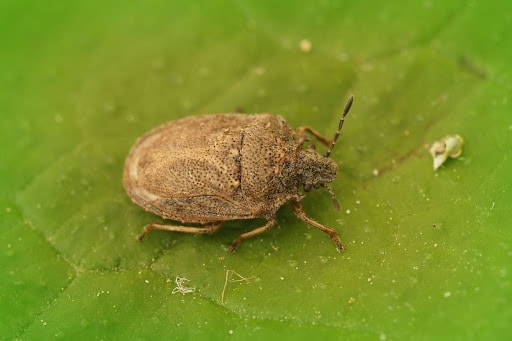
Bed bugs are incredibly small—about the size of an apple seed—and experts at staying out of sight. They don’t just live in mattresses. They hide in:
- Bed frames and headboards
- Electrical outlets
- Baseboards and wall cracks
- Furniture seams and upholstery
- Behind wallpaper or picture frames
Why this matters:
Even if you clean your bedding thoroughly, a hidden population can survive and restart the infestation within days.
2. They Multiply Quickly
A single female bed bug can lay 200–500 eggs in her lifetime, according to the Environmental Protection Agency. These eggs hatch in about 6–10 days.
The result:
A small problem can become a full-blown infestation in just a few weeks.
3. They’re Resistant to Many Pesticides
Bed bugs have developed resistance to several commonly used insecticides, especially pyrethroids.
Research from the Centers for Disease Control and Prevention confirms that resistance is one of the main reasons DIY treatments often fail.
Translation:
Spraying store-bought chemicals usually won’t solve the problem—and can sometimes make it worse by spreading them.
4. They Can Survive Without Feeding
Unlike many pests, bed bugs can go months without a blood meal—sometimes up to a year in cooler conditions.
Why this matters:
Even if you leave a room unused, they don’t just “die off.” They wait.
5. Their Bites Are Easy to Miss (At First)
Not everyone reacts to bed bug bites. Some people show no symptoms at all.
The danger:
You may not realize you have an infestation until it’s already widespread.
Signs You Have Bed Bugs
Before you can eliminate them, you need to identify them. Look for:
- Small reddish-brown bugs in mattress seams
- Tiny white eggs or eggshells
- Rust-colored stains on bedding
- Itchy bite marks (often in lines or clusters)
- A musty, sweet odor in severe infestations
Why DIY Treatments Often Fail
1. Incomplete Coverage
Most homeowners treat only visible areas. Bed bugs hide far beyond that.
2. Incorrect Product Use
Overusing sprays or using the wrong chemicals can drive bed bugs deeper into hiding.
3. Lack of Follow-Up
Bed bug eggs survive many treatments. Without repeat treatments, they hatch and restart the cycle.
Proven Strategies to Eliminate Bed Bugs
1. Heat Treatment (Highly Effective)
Bed bugs die at temperatures above 48°C (118°F).
What to do:
- Wash and dry bedding on high heat
- Use professional heat treatment services for full-home coverage
2. Deep Cleaning and Decluttering
Reduce hiding spots:
- Vacuum thoroughly (and dispose of bags immediately)
- Remove clutter from floors and furniture
- Seal cracks and crevices
3. Mattress and Furniture Encasements
Use bed bug-proof covers to trap and isolate them.
Tip: Keep encasements on for at least 12 months.
4. Professional Pest Control
This is often the most reliable solution.
Experts use:
- Targeted insecticides
- Heat or steam treatments
- Monitoring tools
Why it works:
Professionals understand bed bug behavior and treat all hiding areas—not just the obvious ones.
How to Prevent Bed Bugs in the Future
Travel Smart
- Inspect hotel beds and furniture
- Keep luggage elevated
- Wash clothes immediately after returning home
Be Careful with Second-Hand Items
- Inspect used furniture thoroughly
- Avoid picking up mattresses from unknown sources
Regular Home Checks
- Periodically inspect bedding and furniture
- Use interceptors under bed legs
The Cost of Ignoring Bed Bugs
Ignoring the problem doesn’t make it go away—it makes it worse.
Potential consequences include:
- Larger infestations
- Higher extermination costs
- Sleep disruption and stress
- Risk of spreading to other rooms or properties
When to Call the Experts
If you notice recurring signs or failed DIY attempts, it’s time to act.
Professional help becomes essential when:
- Infestation spreads beyond one room
- Bites continue despite treatment
- You see live bugs during the day (a sign of heavy infestation)
Final Thoughts: Don’t Let Bed Bugs Win
Bed bugs are tough—but they’re not unbeatable.
The key is early detection, proper treatment, and consistency. Trying to cut corners usually leads to prolonged frustration (and higher costs).
If you’re dealing with bed bugs—or want peace of mind—professional help can save you time, stress, and money.
Ready to Get Rid of Bed Bugs for Good?
Don’t wait until the problem gets worse. Take action today.
Call or email for expert help:
📞 (469) 499-4495
📧 donsonbrooks@gmail.com
📧 don@doffdon.com
Hours:
Mon – Wed: 7:30 AM – 11:00 PM
Thu: 7:30 AM – 6:00 PM
Fri & Sat: 7:30 AM – 11:00 PM
Sun: 2:30 PM – 11:00 PM
People Also Ask
Q-1: Why are bed bugs so hard to kill?
Bed bugs are hard to kill because they hide in tiny spaces, reproduce quickly, and have developed resistance to many pesticides.
- Why do bed bugs resist pesticides?
Over time, repeated exposure to chemicals has allowed them to evolve resistance, especially to common insecticides.- Can resistance be overcome?
Yes, with professional-grade treatments and integrated pest management strategies.
- Can resistance be overcome?
- Do all bed bugs survive treatments?
Not all, but eggs often survive, requiring multiple treatment cycles.
Q-2: Can bed bugs go away on their own?
No, bed bugs do not go away without treatment.
- Why don’t they die naturally?
They can survive months without feeding and remain hidden until a host is available.- Will leaving a room empty help?
No, they will simply wait and re-emerge later.
- Will leaving a room empty help?
- Can cleaning alone remove them?
Cleaning helps but won’t eliminate a full infestation.
Q-3: What kills bed bugs instantly?
High heat and certain professional treatments can kill bed bugs instantly.
- Does hot water kill bed bugs?
Yes, washing clothes in hot water and drying on high heat is effective.- What temperature kills them?
Temperatures above 48°C (118°F) are lethal.
- What temperature kills them?
- Do sprays kill them instantly?
Some do, but many bed bugs are resistant, making sprays unreliable alone.
Q-4: How do you know if bed bugs are gone?
You’ll need consistent monitoring to confirm elimination.
- What are signs they’re gone?
No new bites, no live bugs, and no fresh stains over several weeks.- How long should you monitor?
At least 6–8 weeks after treatment.
- How long should you monitor?
- Should you keep mattress covers on?
Yes, for at least a year to ensure no survivors remain.
Q-5: Is professional bed bug treatment worth it?
Yes, especially for moderate to severe infestations.
- Why is professional treatment better?
Experts target hidden areas and use more effective tools and methods.- Is it expensive?
It can be, but it’s often cheaper than repeated failed DIY attempts.
- Is it expensive?
- How many treatments are needed?
Usually 1–3 sessions, depending on severity.