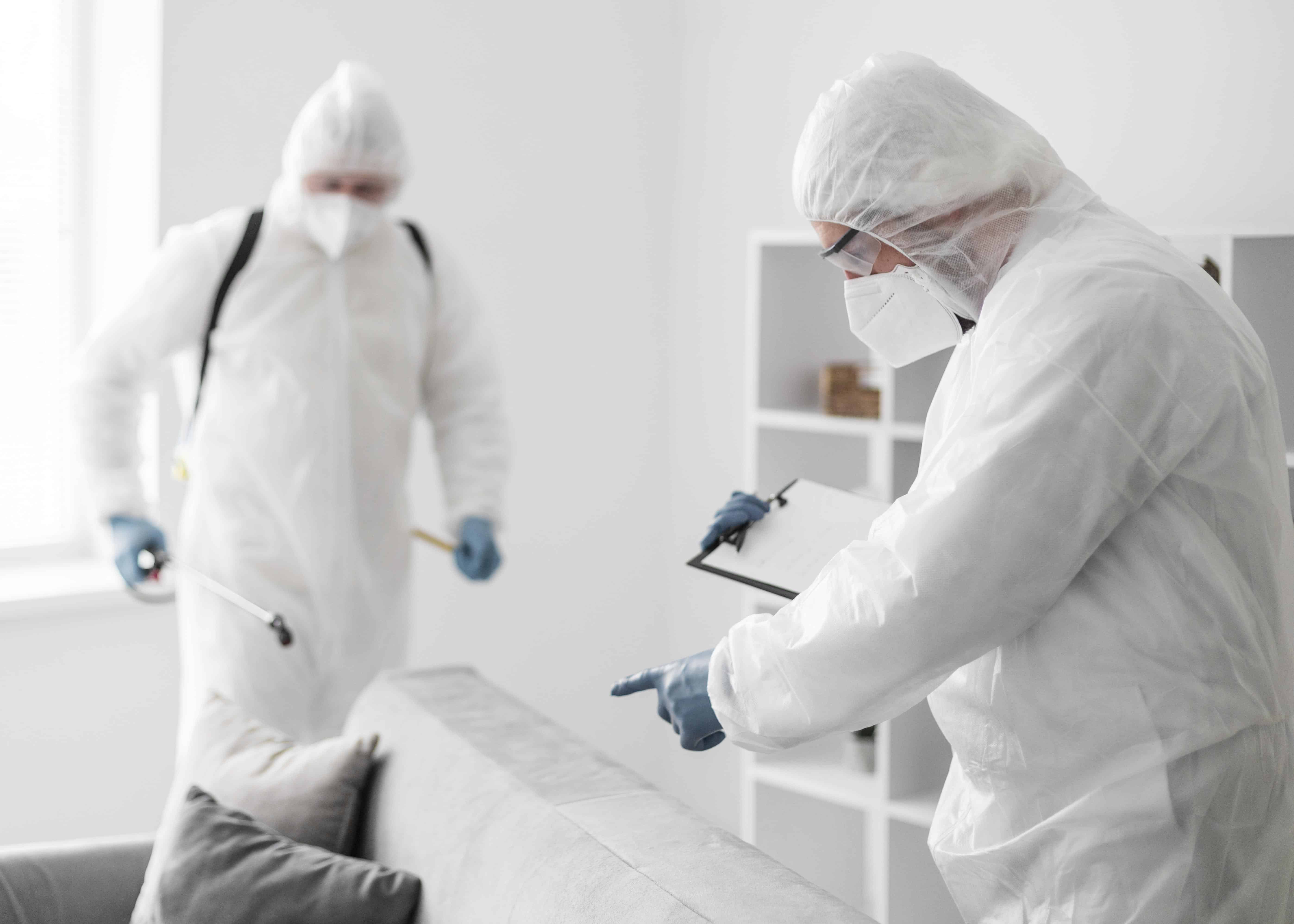
Why Professional Bed Bug Inspections Are More Accurate Than DIY Checks

Ever checked your mattress, saw nothing, and assumed you’re in the clear?
That’s the most common mistake people make with bed bugs. They’re small, patient, and very good at hiding. A quick look around your bed won’t tell you the full story.
This is where professional inspections stand apart. They’re not just more detailed—they’re built to catch what most people miss.
Why Bed Bugs Are Easy to Miss
Bed bugs don’t sit out in the open. They stay hidden in tight spaces close to where people rest.
Common hiding spots include:
- Mattress seams and tags
- Bed frames and joints
- Behind baseboards
- Inside furniture
- Electrical outlets
A DIY check usually focuses on visible areas. The problem is, bed bugs rarely stay there.
According to the U.S. Environmental Protection Agency (EPA), bed bugs can fit into spaces as thin as a credit card edge. That makes visual inspection alone unreliable.
The Limits of DIY Bed Bug Checks
Let’s be honest. Most DIY inspections follow the same pattern:
- Lift mattress
- Check sheets
- Look around bed
It feels thorough—but it’s not.
What DIY Inspections Miss
1. Early-stage infestations
At the start, there may be very few bugs. You won’t see them easily.
2. Eggs and nymphs
Eggs are tiny and pale. Nymphs are almost invisible to the untrained eye.
3. Secondary hiding spots
Bed bugs don’t stay in one place. They spread to couches, walls, and even luggage.
What Makes Professional Inspections More Accurate
A professional inspection is not guesswork. It’s a process.
1. Trained Pattern Recognition
Professionals know where to look because they understand behavior.
They don’t just check beds. They check:
- Structural gaps
- Furniture joints
- Hidden fabric folds
- Adjacent rooms
They follow movement patterns, not assumptions.
2. Specialized Tools
Professionals use tools that go beyond eyesight:
- Flashlights with high intensity
- Magnification tools
- Detection monitors
- In some cases, canine detection
According to research from the University of Florida, trained bed bug detection dogs can reach accuracy rates above 90% in controlled settings.
3. Full Property Assessment
DIY checks are limited to one room.
Professionals inspect:
- Bedrooms
- Living areas
- Closets
- Vehicles (if needed)
Bed bugs spread fast. Missing one area means the problem continues.
4. Understanding the Life Cycle
Bed bugs don’t just appear and disappear. They go through stages:
- Egg
- Nymph
- Adult
Each stage behaves differently.
Professionals identify:
- Active bugs
- Egg clusters
- Shedding signs
This helps plan the next step correctly.
The Cost of Missing Bed Bugs Early
Skipping a proper inspection can lead to bigger problems.
What Happens When You Miss Them
- Infestation spreads to multiple rooms
- More treatments become necessary
- Costs increase over time
- Sleep and comfort are affected
A study published in the Journal of Economic Entomology highlights how untreated infestations grow rapidly within weeks due to reproduction cycles.
DIY vs Professional Inspection: A Clear Comparison
| Factor | DIY Inspection | Professional Inspection |
| Coverage | Limited | Full property |
| Accuracy | Low to moderate | High |
| Tools | Basic | Advanced |
| Detection of eggs | Rare | Common |
| Long-term results | Unreliable | Reliable |
When Should You Choose a Professional Inspection?
You don’t need to wait until things get worse.
Call for a professional check if:
- You notice bites but can’t find bugs
- You recently traveled
- You bought second-hand furniture
- The issue keeps coming back
Early action saves time and stress.
Actionable Tips Before an Inspection
If you’re planning to get your home checked, do this:
1. Don’t Move Items Around
Moving furniture can spread bed bugs.
2. Avoid Spraying Random Chemicals
This can push bugs deeper into hiding.
3. Keep Bedding As-Is
It helps professionals identify activity.
4. Note Down Signs
Bites, spots, or unusual marks can help guide inspection.
Why Accuracy Matters More Than Speed
Many people want a quick answer.
But with bed bugs, accuracy matters more than speed.
A rushed or incomplete inspection leads to:
- Repeat infestations
- Extra cost
- More stress
A proper inspection gives a clear path forward.
The Real Difference Comes Down to Detail
DIY checks are based on what you can see.
Professional inspections are based on:
- Experience
- Tools
- Systematic approach
That difference is what leads to results.
Conclusion: Don’t Guess—Get It Checked Properly

Bed bugs are not easy to detect. Missing them early gives them time to spread.
A professional inspection doesn’t just confirm the problem. It helps you understand how serious it is and what to do next.
If you’re unsure, it’s better to check than to wait.
CONTACT US
(469) 499-4495
donsonbrooks@gmail.com
don@doffdon.com
Mon – Wed: 7:30 AM – 11:00 PM
Thu: 7:30 AM – 6:00 PM
Fri & Sat: 7:30 AM – 11:00 PM
Sun: 2:30 PM – 11:00 PM
People Also Ask (PAA)
Q-1: Can I accurately check for bed bugs myself?
You can check basic areas, but most people miss early signs and hidden spots.
- Where should I look first?
Start with mattress seams and bed frames.- Are bed bugs visible to the eye?
Yes, but they are small and easy to miss.
- Are bed bugs visible to the eye?
- Do DIY inspections work for small infestations?
Rarely, because early signs are subtle.
Q-2: How do professionals detect bed bugs more accurately?
They use training, tools, and structured inspection methods.
- Do they use special equipment?
Yes, including lights, monitors, and sometimes dogs.- Are detection dogs reliable?
Studies show high accuracy when properly trained.
- Are detection dogs reliable?
- Do they check more than beds?
Yes, the whole property.
Q-3: What are the signs of a hidden infestation?
Bites, small stains, and shed skins.
- Can bed bugs hide in walls?
Yes, especially in cracks and outlets.- Do they stay in one room?
No, they spread over time.
- Do they stay in one room?
- Are bites always visible?
Not for everyone.
Q-4: When should I call a professional?
As soon as you suspect a problem.
- Is it too early to call?
No, early detection is better.- Does early inspection reduce cost?
Yes, smaller infestations are easier to treat.
- Does early inspection reduce cost?
- Should I wait for visible bugs?
No, signs are enough.
Q-5: Are professional inspections worth it?
Yes, they reduce guesswork and prevent bigger problems.
- Do they save money long term?
Yes, by avoiding repeated treatments.- Do they guarantee results?
They provide a clear plan for treatment
- Do they guarantee results?