Are Bedbugs a Health Risk? Facts vs. Myths
Introduction
When it comes to bedbugs, the only thing most people imagine is itchy bites and sleepless nights. But there’s one question many homeowners still ask: Are bedbugs a health risk? Are bedbugs more harmful than most people realize? Or are the concerns overblown?
In this blog, we’ll dive deep into the facts and myths about bedbugs, helping you separate reality from fear, and better understand whether bedbug infestations really endanger your health—or just your peace of mind.
What Are Bedbugs?
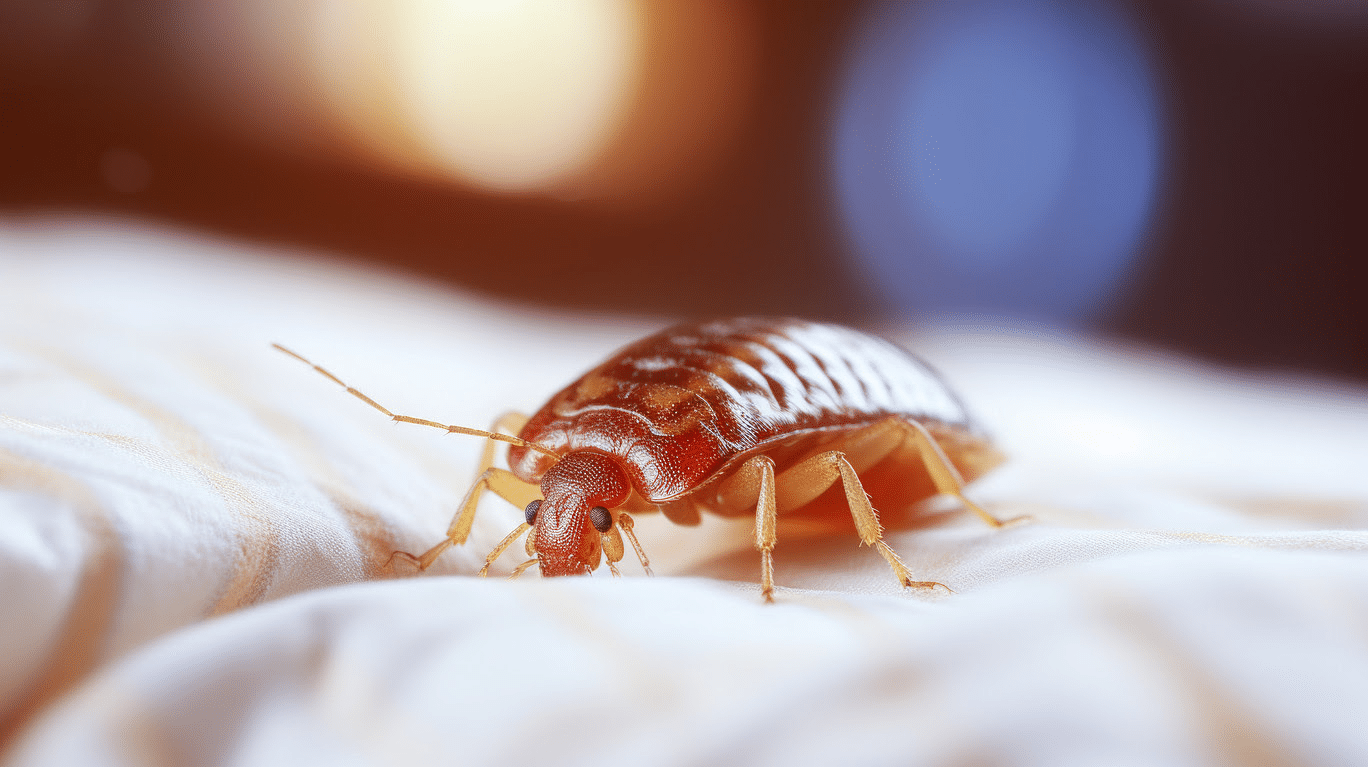
Bedbugs are tiny, reddish-brown creatures that thrive on human and animal blood. They’re primarily active at night and hide during the day in crevices like mattresses, headboards, furniture, and baseboards.While bedbugs don’t transmit diseases like mosquitoes or ticks, they can still affect your health and well-being in significant ways.
Let’s Check Myths and Facts About It.
Myth #1: Bedbugs Transmit Dangerous Diseases
Fact Check: False
One of the most common myths associated with bedbugs is that they spread serious infectious diseases. While the truth is that, as of current scientific understanding, bedbugs do not carry or transmit diseases to humans. Multiple studies from the CDC and WHO confirm that, while bedbugs may harbor pathogens, there is no proven evidence of disease transmission through their bites.
So, are bedbugs a health risk? Technically, they might carry bacteria on their bodies, but they are not vectors—meaning they don’t transmit those diseases through feeding.
Myth #2: Bedbug Bites Are Harmless
Fact Check: Partially True
While bedbug bites are not usually dangerous in a life-threatening way, they are not entirely harmless either. People can react differently to these bites:
- Mild reactions: Redness, itching, and swelling—often mistaken for mosquito bites.
- Severe reactions: Some individuals may develop allergic reactions to bedbugs, including blisters, intense itching, or even anaphylaxis in very rare cases.
- Secondary infections: Scratching can break the skin and introduce bacteria, potentially leading to skin infections like impetigo or cellulitis.
Myth #3: Bedbugs Only Affect Hygiene-Challenged Homes
Fact Check: False
This common belief is not only wrong but harmful. Bedbug infestations can happen anywhere—from five-star hotels to spotless suburban homes. Bedbugs hitchhike on luggage, clothing, used furniture, and even public transport seats.
Being clean doesn’t make you immune. Instead, early detection and professional bedbug extermination are key to preventing large-scale infestations.
Health Risks Associated with Bedbug Infestations
While bedbugs aren’t medically dangerous in the way some pests are, the overall impact on your physical and mental health should not be underestimated.
1. Sleep Disruption and Insomnia
Knowing your bed is infested with blood-sucking insects can lead to chronic stress, fear, and sleep disturbances. People with ongoing infestations often report insomnia, nightmares, and anxiety related to bedtime.
2. Mental Health Effects
A prolonged infestation may trigger:
- Depression
- Paranoia
- Post-traumatic stress symptoms
- Social withdrawal and embarrassment
This psychological impact of bedbugs is one of the most overlooked yet damaging consequences of infestation.
3. Allergic Reactions
As mentioned earlier, some individuals experience severe reactions to bedbug bites, including swelling, hives, and difficulty breathing. While rare, such cases require immediate medical attention.
4. Secondary Skin Infections
Constant scratching of itchy bites can break the skin and invite bacterial infections, especially in children or people with sensitive skin.
5. Public Health Impact
Although bedbugs don’t pose a widespread public health crisis, large infestations in multi-unit buildings (like apartments or hotels) can create public sanitation concerns and lead to legal disputes between tenants and landlords.
Are Bedbugs Dangerous to Humans?
In summary, Bedbugs are not directly dangerous in a disease-carrying sense, but they can significantly impact human health through stress, allergies, and skin issues. The effects are especially noticeable in vulnerable populations such as:
- Children
- The elderly
- People with compromised immune systems
- Those living in high-density housing
So, are bedbugs dangerous to humans? Yes—but primarily in indirect ways.
The Importance of Early Detection and Treatment

Because bedbugs breed quickly and hide well, early detection is vital. Look out for these signs of bedbug infestation:
- Tiny red welts that typically appear in rows or groups
- Tiny dark spots on sheets (bedbug feces)
- Blood stains on pillowcases or mattresses
- A musty odor in the bedroom
- Tiny eggs or shed skins in mattress seams mean bedbugs are nesting
Take action immediately before it worsens.
Professional Doffdon Bedbug Exterminators: The Real Solution You Need

Once bedbugs are in your home, over-the-counter sprays or DIY hacks rarely work. Instead, trust licensed bedbug extermination services. Professionals use:
Heat treatments (high temperatures kill all stages of bedbugs)
- Targeted insecticides
- Monitoring traps
- Follow-up inspections
A reputable pest control company like Doffdon Bedbug Exterminators can remove bedbugs completely and prevent them from returning.
Final Thoughts: Don’t Ignore the Warning Signs
So, in a nutshell, while bedbugs don’t transmit deadly diseases, they still pose a real risk to your health. From psychological stress to skin infections, their presence can disrupt your life in various ways that most people don’t even realize until it’s too late.
Frequently Asked Questions (FAQs)
1. Do bedbugs carry or transmit diseases?
No! Bedbugs do not transmit diseases to humans. While they can carry certain pathogens, there is no scientific evidence that they spread disease through bites. However, their presence can still lead to allergic reactions, which could be mild or severe, and even skin infections from scratching.
2. Can bedbug bites make you sick?
While bedbug bites are not typically dangerous, they can cause intense itching, allergic reactions, and in some cases, secondary skin infections. Dealing with a bedbug infestation can lead to sleep disturbances and increased anxiety for many individuals.
3. What are the symptoms of bedbug bites?
Common symptoms include small red bumps, swelling, and itchiness, often in a line or cluster. Reactions vary depending on the person—some may show no visible symptoms at all, while others may develop blisters or severe irritation.
4. Do bedbugs only infest dirty or unclean homes?
No, that is a myth. Bedbugs can infest even the cleanest homes, hotels, and offices. Bedbugs can easily hitch a ride on luggage, used furniture, clothing, or even visitors. Cleanliness does not prevent an infestation.
5. How can I protect my home from bedbugs?
To prevent bedbugs, avoid bringing in used furniture without inspection, check luggage after travel, and use protective mattress covers. If you suspect an infestation, contact a licensed bedbug extermination service immediately for inspection and treatment.