The Hidden Dangers of Bedbug Infestations in Your Home
Introduction
Bedbug infestations are often dismissed as minor nuisances, unsightly, irritating, but relatively harmless. The truth, however, is far more unsettling. These tiny, nocturnal insects may be small in size, but the dangers of bedbugs can loom large over your health, comfort, and peace of mind. From painful bites and allergic reactions to sleep disturbances and psychological distress, the consequences of an untreated infestation can spiral quickly.In this comprehensive guide, we uncover the hidden dangers of bedbug infestations in your home. You’ll learn how to spot the signs, understand the health risks of bedbugs, and explore effective ways to protect yourself and your family.
What Exactly Are Bedbugs?
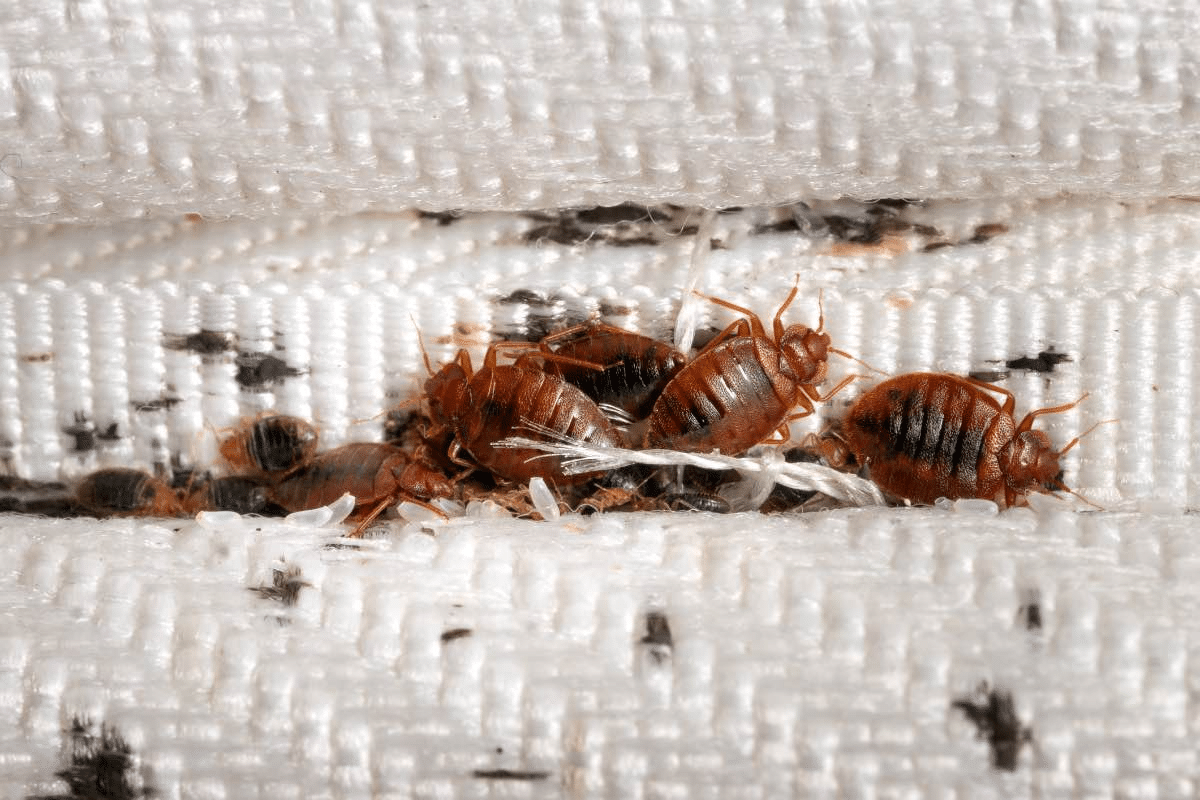
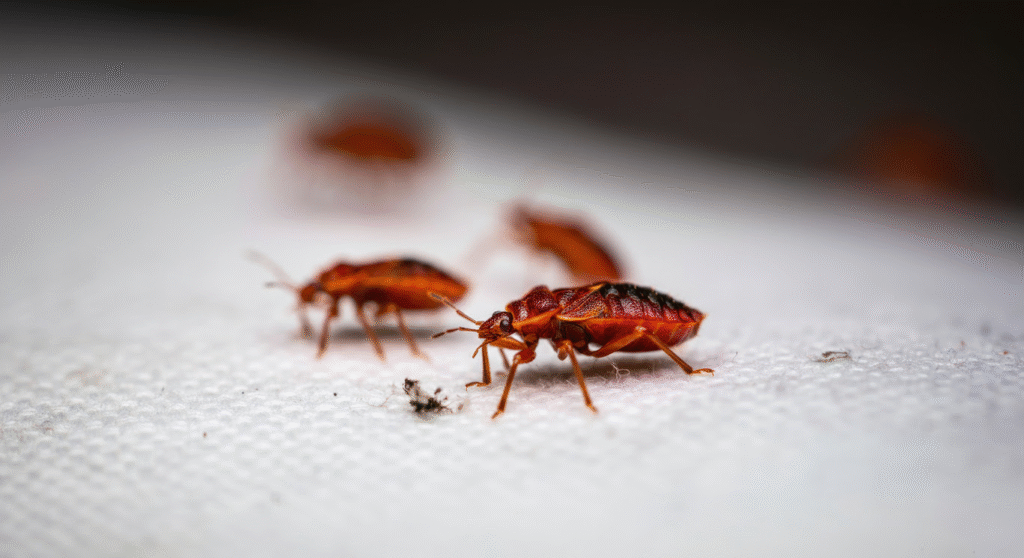
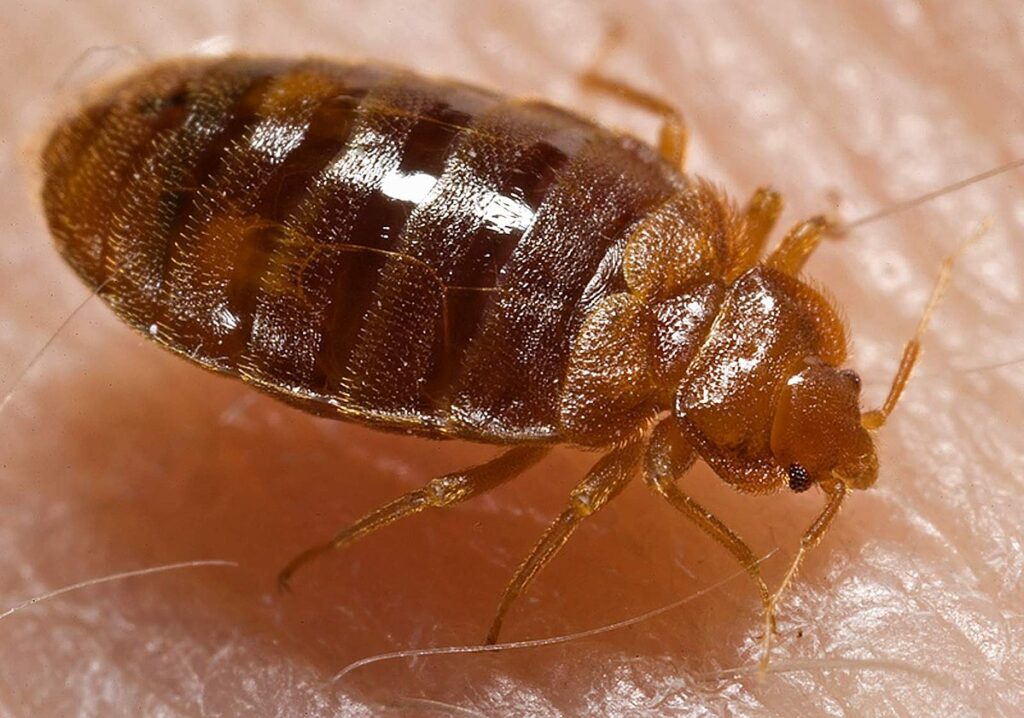
They’re nocturnal by nature, emerging mostly at night to feed while you sleep. Roughly the size of a watermelon seed, these pests don’t have wings, but they’re surprisingly agile and can crawl swiftly between hiding spots. Their preferred hiding spots include:
- Mattresses and box springs
- Headboards and bed frames
- Upholstered furniture
- Electrical outlets and baseboards
- Behind wallpaper and picture frames
Signs of Bedbug Infestation
Early detection is key to stopping a bedbug problem before it escalates. Here are the most common signs of bedbug infestation you should watch for:
- Bite Marks– Bedbug bites symptoms usually appear in clusters or rows, often on exposed skin like arms, legs, neck, and face.
- Blood Stains on Sheets-Tiny rust-colored spots or smears on bed linens or pillowcases can be a sign of crushed bedbugs after feeding.
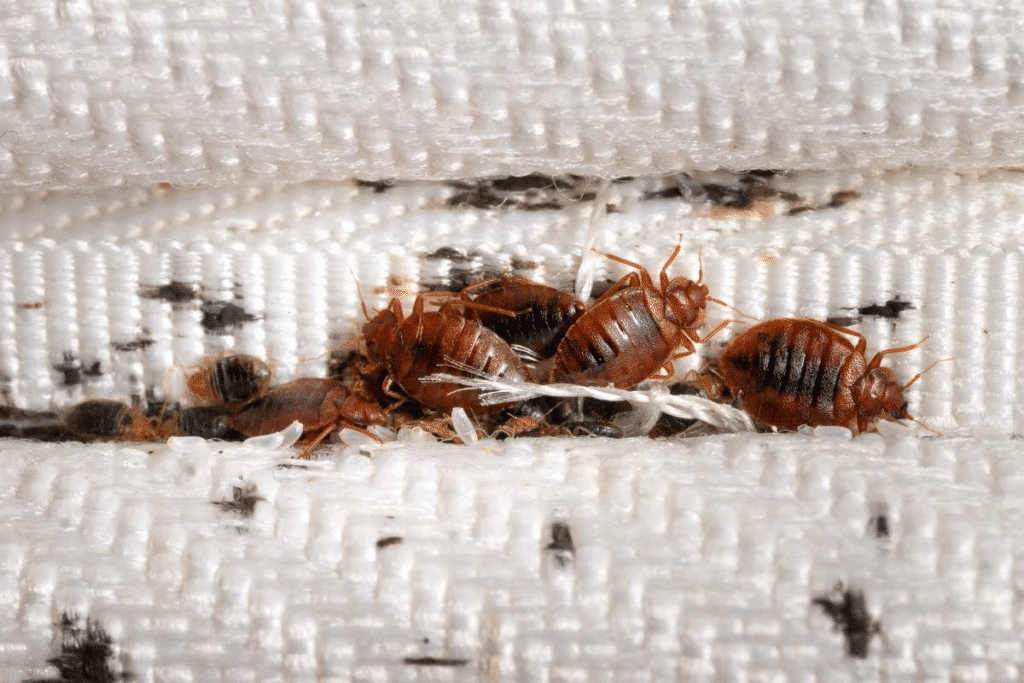
- Fecal Spots– Look for small, dark dots on mattresses, furniture, or walls. These spots are bedbug excrement.
- Shed Skins– As they grow, bedbugs molt and leave behind translucent, shell-like skins.
- Musty Odor– Heavy bedbug infestations may emit a sweet, musty smell caused by bedbug pheromones.
- Live Bedbugs– In advanced cases, you might spot live bugs, especially near mattress seams or during nighttime inspections.
Bedbug Bites Symptoms
Not everyone reacts to bedbug bites the same way, but there are common bedbug bite symptoms that you can look for:
- Red, itchy bumps (often mistaken for mosquito bites)
- Rash or swelling around the bite area
- Burning or stinging sensation
- Secondary infections from excessive scratching
In some people, bites can lead to more severe allergic reactions, including intense itching, welts, and hives.
The Hidden Dangers of Bedbugs Beyond Health
Beyond personal health, the dangers of bedbugs extend into areas you might not expect:
Property Damage
While bedbugs don’t chew or bore into wood, severe infestations can render mattresses, sofas, and other furniture unusable.
Financial Costs
Bedbug treatment can be expensive, depending on how severe the infestation is.
Social Stigma
Many people associate bedbug infestations with poor hygiene, which can lead to embarrassment or social isolation.
Workplace Disruption
If you bring bedbugs to your workplace, it can lead to widespread issues, including temporary closures and reputational damage.
Common Causes of Bedbug Infestations
Understanding how infestations start is crucial for prevention. Here are common ways bedbugs enter homes:
- Travel: They hitchhike in luggage or clothing.
- Used Furniture: Items like mattresses or couches can harbor bedbugs.
- Shared Walls: Bedbugs can move between units in apartments.
- Visitors: Guests may unknowingly bring them into your home.
A single female bedbug can lay 200–500 eggs, making bedbug infestations hard to contain once they begin.
Prevention: How to Protect Your Home
While no method is foolproof, the following strategies can greatly reduce your chances of encountering bedbug infestations:
- Examine the hotel: Look for signs of bedbugs on the beds and headboards before settling in.
- Seal Entry Points: In multi-unit buildings, close cracks and gaps.
- Avoid Used Furniture: Be wary of secondhand upholstered items.
- Use Protective Covers: Encasements prevent bedbugs from hiding in mattresses.
- Reduce Clutter: Clutter provides more hiding places for bedbugs.
- Wash After Travel: High heat kills bedbugs and their eggs.
Treatment: What to Do If You Have Bedbug Infestations
If you suspect an infestation, act quickly. DIY solutions often fail, especially in moderate to severe bedbug infestations.
- Confirm the Infestation: Collect signs like fecal spots.
- Contact a Professional: The most effective methods are heat treatments, steam, and insecticides.
- Prepare Your Home: Launder, vacuum, and declutter.
- Follow-Up Treatments: Multiple visits may be needed.
A Reliable Defense Against Bedbug Infestations
When dealing with bedbug infestations, choosing the right exterminator is critical. DOFFDON Bedbug Exterminator, based in Dallas, offers a proven solution using professional-grade heat treatments designed to eliminate bedbugs and their eggs in one visit. This method addresses not just live bugs, but also hidden threats that contribute to long-term bedbug infestations. Unlike many providers, DOFFDON specializes exclusively in bedbug removal, making them experts in identifying the signs of bedbug infestation and responding quickly. Their approach reduces the health risks of bedbugs, such as skin infections and sleep disturbances, and minimizes the symptoms of bedbug bites that cause irritation and anxiety. Their discreet, chemical-free process also limits the broader dangers of bedbugs, offering homeowners peace of mind and lasting protection.
Conclusion
What may start as a few itchy bites can quickly escalate into a full-blown bedbug infestation that disrupts your home and well-being. These pests aren’t just an inconvenience; they bring with them a range of challenges, from sleepless nights and skin irritation to more serious health risks of bedbugs like infections, allergic reactions, and emotional stress. By learning to recognize early signs of bedbug infestation, such as strange odors, blood spots on bedding, or clusters of red welts, you empower yourself to take action before the problem worsens. Swift intervention is key. Protect your home, health, and peace of mind by staying vigilant against the hidden dangers of bedbugs.
Frequently Asked Questions (FAQs)
1. Can bedbugs make you sick?
While bedbugs aren’t known to transmit diseases directly, their bites can lead to skin infections from excessive scratching and allergic reactions in sensitive individuals. The constant itching and anxiety they cause can also disrupt sleep and weaken the immune system over time.
2. How can you tell the difference between bedbug bites and mosquito bites?
Bedbug bites often appear in straight lines or clusters and are commonly found on areas of the body exposed while sleeping. Unlike mosquito bites, which are usually random and isolated, bedbug bites may show up overnight in groups and tend to be more persistent.
3. Are bedbugs only found in dirty homes?
No. Bedbugs don’t care about cleanliness; they’re attracted to warmth and the presence of blood. They can infest spotless homes, luxury hotels, or public transportation just as easily as cluttered spaces.
4. How fast can a bedbug infestation grow?
A female bedbug can lay hundreds of eggs in her lifetime, and with each egg hatching in about 6–10 days, infestations can multiply within a few weeks if not treated quickly and thoroughly.