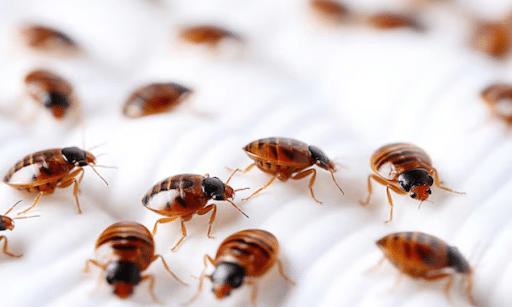
Complete Guide to Cleaning After a Bed Bug Infestatio
The Complete Guide to Cleaning Your Home After a Bed Bug Infestation
So—you’ve battled bed bugs and (hopefully) won. First of all, congratulations. That’s no small feat.
But here’s the thing most people don’t realize: eliminating bed bugs is only half the job. The real peace of mind comes from what you do after the treatment—cleaning, restoring, and making sure those tiny troublemakers don’t make a comeback.
This guide walks you through exactly how to clean your home after a bed bug infestation—step by step, without overwhelm.
Why Post-Infestation Cleaning Matters More Than You Think
Even after professional treatment, remnants can linger:
- Dead bugs and shed skins
- Tiny eggs (some may survive initial treatments)
- Fecal spots and allergens
According to the Environmental Protection Agency, bed bug management requires ongoing monitoring and cleaning, not just one-time treatment.
Step 1: Declutter Like You Mean It
Why this matters
Bed bugs thrive in clutter. The more hiding spots, the harder it is to ensure complete removal.
What to do:
- Remove unnecessary items from floors and under beds
- Sort items into: keep, wash, discard
- Use sealed plastic bags for contaminated items
Pro Tip:
If you haven’t used it in a year, this is your sign. Let it go.
Step 2: Wash Everything (Yes, Everything)
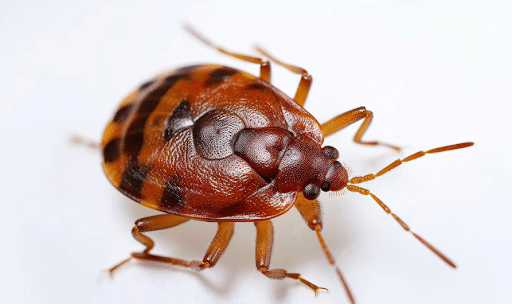
Heat is your best friend
Bed bugs die at temperatures above 48°C (118°F), as confirmed by the Centers for Disease Control and Prevention.
What to wash:
- Bedding (sheets, pillowcases, blankets)
- Curtains
- Clothing (even unworn items near infested areas)
- Soft toys and fabric decor
How to do it right:
- Wash in hot water
- Dry on high heat for at least 30 minutes
- Store in sealed bags after cleaning
Step 3: Deep Vacuuming (Not Your Average Clean-Up)
Target high-risk areas:
- Mattress seams and box springs
- Bed frames and headboards
- Baseboards and carpet edges
- Upholstered furniture
Important:
- Use a vacuum with a HEPA filter
- Empty the vacuum immediately into a sealed bag
- Dispose of it outside your home
Pro Tip:
Use a crevice tool—it’s your secret weapon against hidden bugs.
Step 4: Steam Clean for Extra Protection
Steam cleaning is one of the most effective chemical-free methods.
Why it works:
High-temperature steam penetrates fabric and cracks, killing bed bugs and eggs instantly.
Where to use it:
- Mattresses and bed frames
- Sofas and chairs
- Carpets and rugs
Tip:
Move slowly—bed bugs need sustained heat exposure to die.
Step 5: Encase Your Mattress and Pillows
What are encasements?
Special zippered covers designed to trap and isolate bed bugs.
Why they work:
- Prevent surviving bugs from escaping
- Stop new bugs from entering
- Make future inspections easier
Rule of thumb:
Keep encasements on for at least 12 months.
Step 6: Disinfect and Wipe Down Surfaces
While bed bugs don’t spread disease like some pests, cleaning surfaces is still important.
Focus areas:
- Bedside tables
- Dressers
- Walls and baseboards
- Light switches and outlets
Use:
- Mild disinfectant or alcohol-based cleaners
Step 7: Inspect and Treat Furniture
What to check:
- Cracks and joints in wooden furniture
- Seams in upholstered items
- Undersides of chairs and couches
When to discard:
If an item is heavily infested and difficult to clean, it may be safer to dispose of it.
Important:
Always label discarded items as “infested” to prevent others from picking them up.
Step 8: Seal Cracks and Entry Points
Bed bugs can travel through tiny openings.
Seal:
- Wall cracks
- Baseboard gaps
- Electrical outlets
Why this helps:
It reduces the chances of reinfestation—especially in apartments or shared buildings.
Step 9: Monitor Like a Pro
Cleaning isn’t the end—it’s the beginning of prevention.
Use:
- Bed bug interceptors under bed legs
- Sticky traps in key areas
Watch for:
- New bites
- Fresh stains
- Live bugs
Timeline:
Monitor consistently for 6–8 weeks after treatment.
Common Mistakes to Avoid
❌ Skipping follow-up cleaning
Bed bug eggs can hatch later—don’t stop too soon.
❌ Using too many chemicals
Overuse can push bugs deeper into hiding.
❌ Moving items between rooms
This spreads the infestation.
❌ Assuming one clean is enough
Consistency is key.
How Long Does It Take to Fully Clean After Bed Bugs?
It depends on the severity, but typically:
- Initial deep clean: 1–2 days
- Ongoing cleaning and monitoring: 6–8 weeks
Patience pays off.
When to Call Professionals Again
Even after cleaning, you might need backup.
Call experts if:
Call or email for expert help:
- You notice new bites
- You find live bugs after 2 weeks
- The infestation was severe
Professional follow-ups ensure complete elimination.
Final Thoughts: Clean Smart, Not Just Hard
Getting rid of bed bugs is exhausting—but cleaning up afterward doesn’t have to be chaotic.
Focus on:
- Heat
- Consistency
- Thoroughness
Do it right once, and you’ll save yourself weeks (or months) of stress.
Need Help Making Sure They’re Gone for Good?
If you want complete peace of mind, expert help is just a call or email away.
Reach out today:
📞 (469) 499-4495
📧 donsonbrooks@gmail.com
📧 don@doffdon.com
Business Hours:
Mon – Wed: 7:30 AM – 11:00 PM
Thu: 7:30 AM – 6:00 PM
Fri & Sat: 7:30 AM – 11:00 PM
Sun: 2:30 PM – 11:00 PM
People Also Ask
Q-1: How do you clean your house after bed bugs?
Cleaning involves washing fabrics on high heat, vacuuming thoroughly, steam cleaning, and sealing items to prevent reinfestation.
- Do you need to wash all the clothes?
Yes, especially those near infested areas.- What if clothes are clean?
They should still be heat-dried to ensure no hidden bugs remain.
- What if clothes are clean?
- Can vacuuming remove bed bugs?
It helps but must be combined with other methods.- Should you vacuum daily?
Yes, during the initial weeks after treatment.
- Should you vacuum daily?
Q-2: Can bed bugs come back after cleaning?
Yes, if eggs survive or reintroduction occurs.
- How do they return?
Through luggage, furniture, or untreated areas.- Can neighbors cause reinfestation?
Yes, especially in shared housing.
- Can neighbors cause reinfestation?
- How do you prevent this?
Regular monitoring and sealing entry points.
Q-3: What should you throw away after bed bugs?
Only heavily infested items that cannot be cleaned.
- Should you throw away your mattress?
Not always—encasements often work.- When is it necessary?
If infestation is severe and deep inside.
- When is it necessary?
- How do you dispose safely?
Seal and label items clearly.
Q-4: Does cleaning alone get rid of bed bugs?
No, cleaning supports treatment but doesn’t replace it.
- Why not?
Bed bugs hide in inaccessible areas.- What works best?
A combination of professional treatment and cleaning.
- What works best?
- Is steam cleaning enough?
It’s effective but should be part of a broader plan.
Q-5: How long should you keep cleaning after treatment?
At least 6–8 weeks.
- Why so long?
Eggs may hatch after initial treatment.- What should you monitor?
Bites, stains, and bug activity.
- What should you monitor?
- When can you relax?
After several weeks with no signs of activity.